

3 Reasons to Consider a Daily Probiotic
When you go to the doctor’s office for a bacterial infection such as strep throat, you’ll likely receive a prescription for antibiotics to clear up the illness. Yet, if you’ve been down the vitamin aisle lately, chances are you’ve come across probiotics. What are these new supplements, and why are so many people taking them? Here are 3 reasons to consider a daily probiotic.
While antibiotics are used to zap the bad bacteria in your body, probiotics are used to promote the helpful bacteria that support intestinal, and ultimately, whole-body health. When we take antibiotics, these medications also naturally take away some of the good bacteria our body needs to thrive. Probiotics help to restore the essential balance in our intestinal tract. Moreover, aside from antibiotics, there are many other dietary, environmental, and medical factors which can affect our population of good bacteria. Thus, probiotics can be a healthy choice for many populations – with a doctor’s permission, of course.
If you’re not already doing so, here are three reasons to consider discussing a probiotic supplement with your healthcare provider:
Prevent Gut Dysbiosis
Because probiotics help to maintain a healthy population of microorganisms in the intestines, it is important to consider a daily probiotic. They could help to prevent against a serious condition known as gut dysbiosis. When factors such as age, diet, stress, and disease diminish the abundance and diversity of healthy gut bacteria, it can impact the homeostasis, or stable state, of the gut. Gut dysbiosis occurs when this imbalance happens consistently. The condition is linked not only to intestinal issues such as inflammatory bowel disease (IBD) and irritable bowel syndrome (IBS), but also central nervous system disorders, cardiovascular diseases, and diabetes. Fortunately, probiotics have been shown to help regulate these bacteria for improved intestinal health.
Support Immune System Health
The intestinal immune system encounters more foreign and harmful substances than any other system in the body, making it a key player in disease prevention. In fact, as much as 70% of the body’s entire immune system is located in the intestines. Yet, to provide the right immune responses when needed, the intestinal tract needs a healthy balance of bacteria. Taking probiotics can help to promote that balance, and use of these supplements has even been linked to prevention of the common cold.
Aid in Weight Management
Losing weight and keeping it off can be challenging. While eating a diet rich in lean protein, whole grains, and nutrient-rich fruit and vegetables is essential to maintaining a healthy weight, probiotics could also play a beneficial role in weight management. Specifically, the probiotic strain Bifidobacterium lactics B-420 appears to help control body fat and assist with the regulation of body weight.
Using Exosomes to Treat Kidney Diseases: State of the Research
Kidney diseases are among the most expensive and most debilitating diseases. Total costs are in excess of $50 billion a year, with $30 billion spent on people with end-stage renal disease including hemodialysis and kidney transplantation. People with kidney diseases have diminished quality of life, and substantial amounts of their time are devoted to medical treatment. Not surprisingly, researchers are aggressively pursuing novel therapies to treat kidney diseases before they result in end-stage renal disease. Stem cells and exosomes are among the most exciting and the most promising research topics in this area.
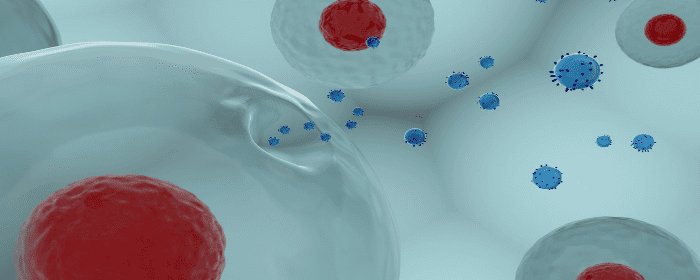
Most cells release tiny packets called extracellular vesicles. The most notable extracellular vesicles are exosomes. While small, exosomes are filled with high concentrations of potentially helpful substances such as RNA, DNA, and proteins. While most cells release exosomes, researchers are particularly interested in exosomes released by stem cells. It is within these exosomes that stem cells pass along the substances that make stem cells helpful in tissue repair and regeneration.
Zhang and coauthors reviewed the recent advances that have been made using exosomes to treat kidney diseases. Most of the work has focused on acute kidney injury or AKI. Acute kidney injury can lead to chronic kidney disease and kidney failure. Thus, if one could stop AKI, they could potentially reduce the risk of chronic kidney disease.
Many different research groups have shown the power of exosomes and other extracellular vesicles in treating acute kidney injury. Exosomes taken from mesenchymal stem cells protected kidney cells from cell death and fibrosis and helped them repair themselves. The same was true of exosomes derived human umbilical cord stem cells. Even stem cells taken from human liver cells were able to improve kidney function after injury. There are many other examples.
Gatti et al. reported that extracellular vesicles derived from human adult mesenchymal stem cells could protect against acute kidney injury, but, most impressively, also halted the progression of AKI to chronic kidney disease. This finding has important implications for people who suffer from serious acute kidney illnesses, such as kidney ischemia. It means that—if confirmed in human studies—stem cell-derived extracellular vesicles can help treat kidney disease in the short term and reduce the risk of that illness becoming a chronic, debilitating problem.
Further research is needed in this field but, initial results confirmed by many laboratories have created well-founded enthusiasm for the future.
Reference: Zhang, W. et al. (2016). Extracellular vesicles in diagnosis and therapy of kidney diseases. American Journal of Physiology – Renal Physiology. 2016, Nov 1; 311(5): F844-F851.

Why Are You Waking Up in the Middle of the Night?
We’ve all heard about the importance of clocking seven to eight hours of sleep each night. Getting adequate slumber has been linked to dozens of benefits, including the preservation of mental and physical health, quality of life, and safety at every age. Yet, if you’re like many people, you may find yourself waking up in the middle of the night on occasion.
When you find yourself rising from slumber on a regular basis, it’s categorized as insomnia. Although common, this issue usually points to a need for some type of change. Of course, you must first know what’s causing the pattern before you can address it. While there are many potential reasons for waking up from sleep unprovoked, here are a few common causes to explore.
Hormones
Hormonal changes can have a significant impact on sleep, especially for women during pregnancy and menopause. Changing levels of estrogen, in particular, can lead to sleep challenges such as waking up in the middle of the night. Maintaining a comfortable bedroom temperature (possibly on the cooler side), scheduling exercise earlier in the day, and drinking a soothing beverage before bed may help to facilitate uninterrupted sleep.
Of course, it’s also possible for hormone imbalances to trigger sleep problems even if you aren’t a pregnant or menopausal woman. Be sure to speak with your doctor if you suspect hormone issues could be the culprit for your periodic wake-ups.
Blood Sugar Changes
Eating foods with carbohydrates or sugars can boost your blood sugar. Eventually, the insulin in your body will remove the sugar from your blood and send it to your cells, resulting in declining blood sugar levels. While it’s likely you’ll feel sleepy at this time, the dip in blood sugar can actually trigger a stress response, releasing cortisol and adrenaline, which could actually stir you out of your slumber.
To combat these dips and spikes, try to steer clear of sugary or carb-rich foods at least two hours before going to sleep. Be sure to include protein with your meal, along with healthy fats and fiber. Avoid skipping meals during the day, too.
Medical Conditions
Medical conditions like diabetes, kidney disease, musculoskeletal disorders, and sleep apnea can all cause sleep disturbances. Be sure you’re seeing your physician for regular checkups to maintain any existing conditions or to identify potential underlying causes of sleep problems. Additionally, mental health disorders such as general anxiety and depression may also lead to irregular sleep patterns. If you think your sleep issues are related to a mental health issue, seek help from a professional counselor.
Daytime Habits
Daily napping, drinking caffeine late in the day, and drinking more than one alcoholic beverage can all contribute to poor sleep. Additionally, waking up and going to bed at different times each day could make it difficult for your body to regulate its natural sleep clock. For this reason, you should try to maintain a consistent sleeping schedule, even on the weekends.

7 Natural Options for Boosting Libido
Sex drive can be notoriously difficult to measure. Most people experience surges in libido that come and go naturally, but what’s considered normal may be very different from one person to the next. Here are 7 natural options for boosting libido.
Oftentimes, men and women tend to experience a decline in sex drive with age. While this may be due in part to hormonal changes, it can also result from contributing factors such as stress and certain physical conditions. Fortunately, there are treatments available to help rekindle your desire again. If you’re looking to explore some natural libido-enhancing remedies first, however, here are some options to consider.
Get Ample Sleep
It’s no surprise that feeling exhausted and being in the mood are often at odds with one another. Yet, the link between quality sleep and a healthy sex drive has even been backed by research, so make it a priority to clock your seven to eight hours each night.
Alleviate Stress
Stress and libido are closely related. When the stress hormone cortisol is elevated, it can reduce the production of sex hormones like testosterone. Fortunately, you can control your stress with management techniques such as deep breathing exercises, talking about your concerns with your partner, and therapy, if needed.
Focus on Your Relationship
Sometimes, issues surrounding sexual desires could stem from larger relationship challenges. Whether there seems to be little romance or you’re experiencing increased bickering, many relationship issues can be solved through open, ongoing communication. You might also consider instituting date nights, cuddle sessions, and similar methods for shifting the focus back towards your partnership.
Eat a Nutritious Diet
Diet influences many aspects of health – including your sexual wellbeing. A heart-healthy diet, in particular, can improve sex health by minimizing the risk of metabolic syndrome, which is associated with erectile dysfunction and cardiovascular issues. To promote both heart health and a strong libido, be sure fill your plate with plenty of fruits and vegetables, seafood, whole grains, and healthy oils.
Exercise Regularly
Similar to diet, exercise can also play a role in boosting libido. Physical activity increases activity within the sympathetic nervous system, and can therefore promote sexual stimulation. It can also minimize stress by increasing endorphins, thereby kicking off a two-fold effect to support sex drive. Aim for 30 minutes of moderate exercise five days a week.
Maintain a Healthy Weight
Being overweight or obese could alter hormone levels, which can have a direct impact on libido. Of course, there are also secondary effects of carrying excess weight: for one, being at an unhealthy weight could lead to reduced body confidence, which may thwart sexual desires. Fortunately, the diet and exercise strategies above can lead to both weight loss and healthy, long-term weight management.
Consider Herbal Supplements
While research is limited, one study suggests that certain herbs could enhance sexual function. Maca, ginko, ginseng, and tribulus have been associated with the benefits, but be sure to speak with your physician before introducing any herbal supplements into your daily routine.
 St. Petersburg, Florida