by admin | Apr 24, 2020 | Health Awareness
Most people are already familiar with what to do to minimize the risk of contracting an airborne virus, from washing hands frequently to staying home and following social distancing protocols, the steps for reducing the outbreak have been made clear since the pandemic first started unfolding.
Yet, what isn’t so clear is how we should maintain mental health throughout these significant changes. From the worries brought on by the disease itself to extreme variations to our normal routine, these challenging times can take a toll on healthy mental wellness. Here’s what you can do to promote mental and emotional wellbeing now.
Stay Connected
We might not be able to exchange hugs or get together with our friends and loved ones, but that doesn’t mean we can’t stay in touch. All across the globe, people are finding creative ways to get some much-needed socialization. While you could always simply call your friends and family, you can also get creative with having a game night over FaceTime or Zoom.
Help Where You Can
Members of elderly and at-risk populations are especially struggling with everyday tasks, like getting groceries and paper products. If you know someone who could use a little assistance, offer to help. Consider placing an online order to have their goods delivered, or offer to pass along any supplies you have in surplus. Helping those in needs can have a positive impact on your mood and mental health.
Maintain a Sleep Schedule
Without your normal routine of leaving the house by a set time, it’s easy for days and nights to slide into one another. Yet, maintaining a regular sleep schedule is important to helping you stay mentally alert and healthy. Try to stick to a regular bed time, and wake up at the same time each morning — even on the weekends.
Limit Alcohol
If you feel as if you could be overindulging in alcohol as a coping mechanism, try to find healthier substitutions instead. Calming techniques such as deep breathing, yoga, and meditation can help you stay relaxed without the risk of developing a dependency.
Eat Well
While you may not have access to the fresh ingredients you’d normally have on hand, you can still make healthy meals at home from frozen, canned, and packaged goods. Eating well can help fuel your body and lift your spirits. Consider using frozen or canned vegetables to add nutrients to your meals. If you can buy protein in bulk, do so and freeze any leftovers. For healthy grains, serve up some lentils, quinoa, or brown rice.
Get Some Exercise
Although gyms are closed, you can still move your body at home or outside. Going for a long walk or jog could be just what you need to clear your head. Or, maybe you’d prefer to switch it up with a sweat-inducing home workout video on YouTube. Even playtime with children or pets might be enough to kickstart the release of endorphins for a quick mood boost.
Cut Back on the News
While it’s important to stay informed about any developments that may pertain to you, it’s also not healthy to be a constant consumer of the news. Reading through troubling statistics and circumstances beyond your control can incite fear and anxiety. Try to limit your news consumption to a limited window each day, then walk away and do something that makes you feel better, such as journaling, having a cup of tea or coffee, or engaging in a favorite hobby.
by Stemedix | Apr 20, 2020 | Stem Cell Therapy
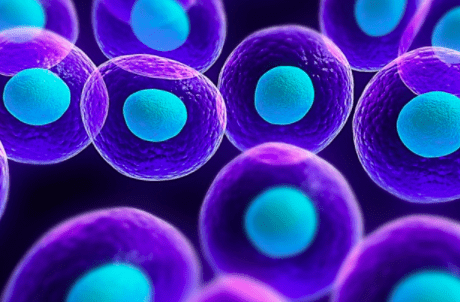
Chances are you’ve heard about the stem cell advancements experts are making in the world of regenerative medicine. For conditions ranging from musculoskeletal injuries to autoimmune conditions, stem cells are showing promise in terms of promoting the body’s healing capacity, regenerating tissue to replace that which has been damaged by illness or disease, and managing or altogether alleviating symptoms. But what exactly are stem cells, and what is it that they do? Here are some Stem Cell facts.
What Are Stem Cells?
Stem cells act as the basis of development in all living things, including humans, animals, and even plants. In humans, they are formed at various points of life and in specific parts of the body. Embryonic stem cells, for example, are only present at the earliest stage of development. At just three to five days of age, an embryo is made up of pluripotent stem cells, which have the capacity to divide into other stem cells or transform into any cell type in the body. These are not cells in which today’s Regenerative Medicine is studying or practicing based on the controversy behind them.
On the other hand, tissue-specific (adult) stem cells emerge during fetal development and stay within the body throughout the course of life. They’re found in bone marrow, adipose (fat), and umbilical cord tissue (UCT), and they can give rise to various types of cells. For instance, research suggests stem cells derived from bone marrow could create heart muscle cells.
What Do Stem Cells Do?
As mentioned above, there are two characteristics which make stem cells so remarkable:
· Self-renewal, or the ability to make copies of themselves
· Differentiation, or the ability to develop into specialized cells
Recently, experts have been leveraging the capabilities of stem cells in regenerative medicine applications to activate a healing response in injured, dysfunctional, or diseased tissue using stem cells. In addition to their abilities to repair and regenerate, stem cells also have secretory benefits known as exosomes, which are critical in the communication between cells. Mesenchymal stem cells, in particular, have immune-modulating and anti-inflammatory effects and a good proliferation rate, making them powerful candidates for tissue regeneration.
Thanks to these incredible properties, stem cells are being leveraged to heal tissue, control symptoms, and deliver rejuvenating effects for a broad range of conditions. Stem cell therapy is being used as an alternative treatment in neurodegenerative conditions such as multiple sclerosis and Parkinson’s disease, for instance, as well as orthopedic issues and injuries, autoimmune disorders, and general wellness and cosmetic concerns. Although it isn’t a cure-all, stem cell treatment does hold enormous potential for improving symptoms and outcomes in patients for a better quality of life.
Contact us today for a free consultation!
by Stemedix | Apr 15, 2020 | Alzheimer’s Disease, Stem Cell Therapy
As the most common cause of dementia, Alzheimer’s disease (AD) affects hundreds of thousands of people in the U.S. It’s a progressive brain disease which impairs cognition, including memory, behaviors, and thinking. Over time, symptoms worsen and begin to interfere with a person’s ability to perform daily activities.
In people with Alzheimer’s, plaques, or protein deposits, form between nerve cells at a quicker rate, as do tangles, or twisted fibers which accumulate within dead nerve cells. As a result, these damaged nerve cells are unable to transmit necessary electrical signals.
Currently, there is no cure for Alzheimer’s, though some treatments can help to control certain symptoms. In the quest to find a more effective treatment to slow the progression of the disease and potentially even improve symptoms in patients, researchers are turning to regenerative medicine therapies, including stem cell treatment.
Stem Cell Therapy for Alzheimer’s Disease
Stem cells help the body’s own healing mechanisms work more effectively in degenerative conditions such as Alzheimer’s. For instance, some studies have shown immunomodulatory effects, which help to disable the abnormal attack on healthy brain tissue. In others, stem cell transplantation has led to the proliferation or replacement of diseased cells at the specific areas where cells have begun to degenerate.
Stem cells have the ability to replicate many unique cell types throughout the body, including nerve cells. Combined with the fact that they can also reproduce quickly, this poises them for the effective regeneration of damaged brain tissue. As a result, stem cell therapy has the potential to deliver the following improvements for people with Alzheimer’s disease:
· Slowed rate of disease progression
· Improved mood and behavior
· Increased energy levels
· Reduced confusion
· Improved memory and cognition
Renowned Alzheimer’s groups such as the Alzheimer’s Association in the U.S. and the Alzheimer’s Society in the U.K. support and encourage the use of stem cell therapy to find new cures and create targeted treatments which would repair the network of cell-to-cell connections that become damaged in the disease.
Although researchers have yet to establish the precise cause for Alzheimer’s disease, stem cells are opening the door into further findings, providing hope and helping to improve the quality of life in patients.
If you or a loved one is suffering from Alzheimer’s and would like to reap the benefits Stem Cell Therapy can deliver to this disease then contact us today!
by admin | Apr 15, 2020 | Health Awareness
Certain illnesses are highly contagious and can be contracted just by breathing them in. Known as airborne diseases, these illnesses can spread when an infected person releases droplets from coughing, sneezing, or even speaking. The virus or bacteria is then secreted into the air and lands on individuals or objects.
When these pathogens are inhaled, they take residence inside the body and cause illness. They can also be contracted by touching entry points in the body, including the eyes, mouth, and nose, after you’ve touched a surface with the germs.
Since these illnesses move through the air, they’re notoriously challenging to control. Discover some examples of these infections and tactics for stopping their spread below.
What Are Some Examples?
Perhaps the most noteworthy example of airborne diseases is COVID-19. This disease, caused by the novel coronavirus SARS-CoV-2, is spread from person-to-person, including those who may not be showing symptoms, through the transmission of respiratory droplets. The main symptoms of the illness include fever, cough, and shortness of breath.
In addition to COVID-19, other examples of airborne diseases include:
- The flu
- The common cold
- Chickenpox
- Measles
- Mumps
- Whooping cough
How Can You Control the Spread of Airborne Diseases?
While airborne diseases can spread rapidly, there are several things you can do to minimize your risk of contracting an illness and preventing transmission to others if you do get sick.
For COVID-19, the CDC recommends the social distancing advisory of staying six feet apart from other individuals. Due to the rapid spread of the illness as well as its severity, they have also encouraged people to stay home as much as possible.
When it comes to preventing the spread of any airborne illness, commonsense practices can help reduce transmission. For example:
- Disinfect frequently touched surfaces often, including tables, doorknobs, keyboards, and phones.
- Wash your hands frequently using warm water and soap for at least 20 seconds. This is especially important before eating, after being in a public place, and before touching your face.
- Stay home if you’re feeling sick.
- Cover your cough or sneeze with a tissue or the inside of your elbow.
- Avoid close contact with individuals who are sick. If you’re sick, stay away from high-risk populations, including seniors, pregnant women, and individuals with compromised immune systems.
by Stemedix | Apr 6, 2020 | Stem Cell Therapy, Chronic Pain
One in five adults in the U.S. reports having chronic pain, which amounts to 50 million people. As one of the most common reasons people visit their doctors, this frustrating symptom is linked to issues like restricted daily activities, dependence on prescription medications, anxiety and depression, and overall reduced quality of life. It can stem from many causes, including chronic conditions and lingering effects of previous injuries, and often intensifies with advancing age. Some of the most common conditions linked to chronic pain include arthritis, lupus, and multiple sclerosis. Alternative Treatment for Chronic Pain: Stem Cell Therapy.
Traditional treatments for chronic pain include over-the-counter pain relievers or opioids, along with non-medication techniques such as physical therapy, acupuncture, and exercise. Unfortunately, many patients find that the side effects of long-term pain medication can further diminish their quality of life, and other treatments often fall short when it comes to providing relief. It’s therefore no surprise that many of these patients willingly embrace new treatments, such as stem cell therapy.
Stem Cell Therapy as an Alternative Treatment for Chronic Pain
Stem cell therapy is a new form of regenerative medicine which uses the body’s natural regenerative healing mechanisms, stem cells, to repair and renew damaged tissue. These cells have the ability to self-renew and differentiate into other cell types. They also have immune-modulatory and anti-inflammatory properties, which can help address the swelling and discomfort that arises in many chronic conditions and injuries. Research suggests that their ability to home in on affected sites makes them a powerful means of treating inflammatory pain and trauma.
In patients with chronic pain, stem cells can be injected at appropriate sites to rebuild and regenerate tissue, suppress inflammation, and reduce the severity of symptoms. The treatment has been used for neurodegenerative conditions such as Parkinson’s disease and multiple sclerosis, autoimmune disorders such as rheumatoid arthritis and lupus, and musculoskeletal injuries.
Although many chronic conditions still have no cure, stem cell therapy is a promising new alternative for treating them. It goes beyond simply masking symptoms to spur healing at a cellular level, thereby leading to stronger outcomes that can significantly improve the way of life for patients experiencing chronic pain. If stem cell therapy is something you are interested in then contact us today for a free consultation.





 St. Petersburg, Florida