by admin | Dec 1, 2020 | Health Awareness
Inflammatory bowel disease (IBD) is the umbrella term for inflammation of the digestive tract, which encompasses two conditions: ulcerative colitis and Crohn’s disease. In ulcerative colitis, the large intestine is affected, while Crohn’s disease can affect any area of the digestive tract. Crohn’s disease may also cause abnormal openings, known as fistulas, which are not seen in ulcerative colitis. Both conditions may lead to diarrhea and the need for surgery.
One major aspect of living with IBD is making dietary choices that reduce the risk of a flare-up. While no particular diet has been able to prevent or cure IBD, certain dietary approaches may help control symptoms. Each patient experiences symptoms differently and should work with their healthcare provider to make informed choices, but here are some basic recommendations to consider.
Identify Problem Foods
Sometimes, patients are advised to avoid entire food groups. Yet, since everyone experiences symptoms differently, there’s no need to steer clear of foods unless you know they’ve caused trouble in the past. An effective way to identify trigger foods is to keep a food journal. Eating a variety of foods is important to giving your body an ample supply of nutrients, but if a certain food can be linked to worsening symptoms, it’s likely best to avoid it and find the same nutrients elsewhere.
Try Small, Frequent Meals
Smaller, more frequent meals are often easier to digest, and may therefore be less likely to cause diarrhea. Using this approach is especially beneficial during flare-ups.
Consider a Low-Residue Diet After Flare-Ups
If you’ve recently had a flare-up, a low-residue diet may be easier for your digestive tract to tolerate. Residue refers to food that hasn’t been digested. The objective of a low-residue diet is to reduce the number of daily bowel movements, which will in turn alleviate diarrhea and stomach cramps. This diet minimizes high-fiber foods and instead focuses on refined carbohydrates, cooked potatoes without skin, and ripe bananas.
Get Your Omega-3s
Omega-3 fatty acids reduce oxidative stress and have an anti-inflammatory effect, which may help to control symptoms. If you tolerate them well, try to regularly incorporate sources of these foods into your diet, which include mackerel and salmon.
Ease In After a Flare
After a flare-up, it’s a good idea to start with liquids that are gentle on your digestive system, then reintroduce solids slowly. Diluted juices, applesauce, and oatmeal are good starting points. You may then gradually start having chicken or turkey, eggs, pasta or rice, and bread.
Consider Supplements
During and immediately after flares, your body may only be taking in limited nutrients. If your doctor approves of it, consider taking a supplement to prevent any deficiencies in key vitamins and minerals.
For more helpful health awareness articles, please visit stemedix.com/blog and search for “health awareness”.
by Stemedix | Nov 29, 2020 | Stem Cell Therapy
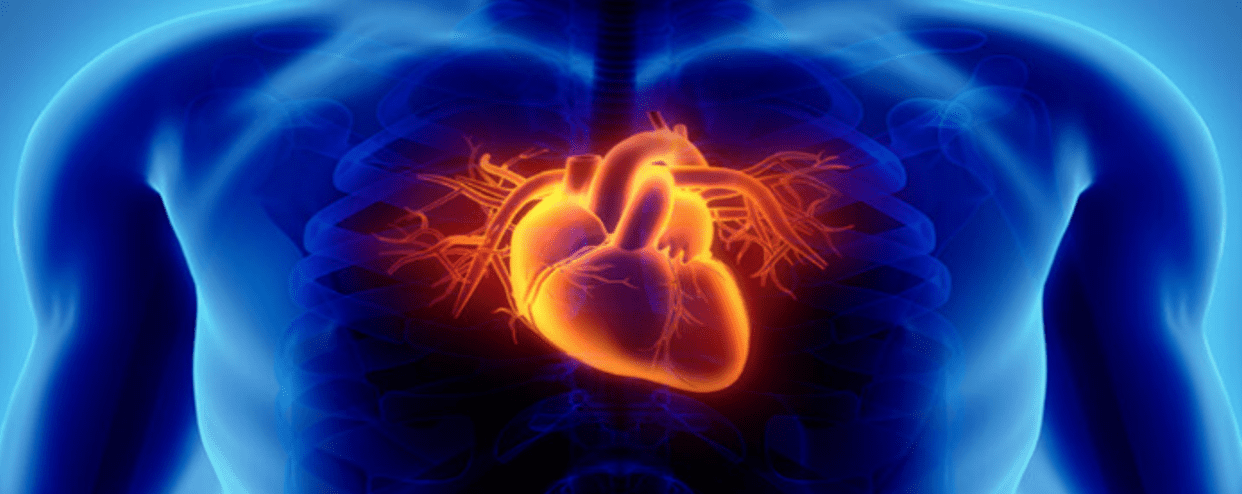
Coronary artery disease (CAD) is the most common form of heart disease and the leading cause of death in the U.S. The condition develops when the arteries which deliver blood to the heart narrow and harden, caused by plaque buildup in their inner walls known as atherosclerosis. Left unaddressed, this condition can lead to a complete blockage of blood flow, which can result in heart attack, stroke, or blood clot.
There are several existing treatments available for CAD, including medications for controlling blood pressure and cholesterol, lifestyle changes, and coronary artery graft bypass surgery. The surgical procedure involves using blood vessels from other parts of the body to bypass damaged ones. Angioplasty may also be considered, in which the plaque is removed from arteries using a small balloon to push plaque away.
An Alternative Approach: Stem Cell Therapy
While conventional treatments are generally effective for treating CAD, they don’t address the underlying issue of plaque buildup. Stem cells, however, may help to eliminate plaque.
According to experts, inflammation plays a key role in the creation of plaques in the arteries. With their powerful anti-inflammatory properties, stem cells could help to prevent inflammation, and thus plaque, from building up in the arteries in the first place. The cells also have immunosuppressive and anti-angiogenic properties, which can help to combat existing plaque buildup and prevent further plaque from developing. Research indicates treating heart disease with stem cells is safe and can provide strong therapeutic outcomes.
In one study performed in the Netherlands, patients who were treated with bone marrow-derived stem cells experienced symptom relief and improvement in pain, as well as extreme reductions in artery blockages. Researchers suspect the stem cells either helped with the development of new blood vessels or aided in the removal of plaque in existing blood vessels.
Although stem cell therapy has yet to be adopted as a standard treatment for Coronary Artery Disease, it’s possible that in the future, it could be an alternative option that helps reduce surgeries and hospitalizations, prevents major cardiac events, and enhances the longevity and quality of life of many patients.
Many conditions may benefit from this regenerative medicine option and it is being researched and considered to help manage condition symptoms. To see if you are a candidate, please complete a contact form for a complimentary assessment.
by admin | Nov 24, 2020 | Health Awareness
Oxidative stress occurs in the body when there’s an imbalance between antioxidants and free radicals. Free radicals are molecules that have an uneven number of electrons, which enables them to react more easily with other molecules. As a result, they can trigger chain reactions in a process known as oxidation.
Antioxidants, on the other hand, can donate an extra electron molecule to free radicals without risking instability. Thereafter, the free radical will become stable, and thus less prone to start a reaction.
How Does Oxidative Stress Affect the Body?
Oxidation isn’t necessarily bad. In fact, it’s a necessary process. Yet, when the ratio of free radicals to antioxidants becomes imbalanced, oxidative stress occurs. When they’re functioning effectively and kept under control by antioxidants, free radicals play an important role in fighting off pathogens.
Yet, when there are too many free radicals and not enough antioxidants, free radicals can start damaging DNA, proteins, and fatty tissue. Over time, this damage can result in:
- High blood pressure
- Inflammatory conditions
- Atherosclerosis (the hardening of blood vessels)
- Type 2 diabetes
- Neurodegenerative illnesses
- Cancer
- Heart disease
- Accelerate the aging process
What Leads to Oxidative Stress?
It’s impossible to avoid exposure to free radicals completely. The body even produces them naturally, when inflammation occurs after exercise, for instance. Yet, you can also be exposed to unhealthy free radicals from:
- Certain chemicals, including some cleaners and pesticides
- Pollution
- Radiation
- Cigarette smoke
- An unhealthy diet with too much sugar, fat, and alcohol
How Can You Control Oxidative Stress?
Fortunately, there are many things you can do to control your exposure to free radicals. Aim to eat a variety of fruits and vegetables, as this will help give your body the nutrients it needs to create antioxidants. Fish, nuts, onion, garlic, and cinnamon may also be good choices to incorporate into your diet.
Maintaining a moderate exercise routine over a long-term basis can also help control oxidative stress levels, as can using chemicals in moderation, wearing sunscreen, limiting alcohol content, and avoiding smoking.
For more helpful health awareness articles, visit stemedix.com/blog.
by Stemedix | Nov 23, 2020 | Rheumatoid Arthritis, Stem Cell Therapy
Rheumatoid arthritis (RA) is a chronic inflammatory condition in which the immune system attacks healthy joint tissue. This abnormal immune response leads to inflammation, fluid buildup, swelling, and discomfort in the joints. RA is a chronic condition for which there is no cure, and due to the progressive nature of the disease, symptoms often worsen over time.
Current treatments for RA involve controlling the immune response to prevent further damage and alleviating joint pain. Yet, oftentimes, existing therapies fail to mitigate the damage joints have already sustained. Some research has been finding that there may be potential therapeutic effects with regenerative medicine, also known as stem cell therapy for Rheumatoid Arthritis.
Stem Cell Therapy for Rheumatoid Arthritis
Stem cells are the building blocks of virtually all specialized cells and tissue in the body. They can transform into many different cell types, and have regenerative and anti-inflammatory properties. Medical researchers have been exploring ways to leverage these powerful cells to help manage symptoms for autoimmune conditions, including Rheumatoid Arthritis.
As the cartilage between bones becomes inflamed and wears away, the joint and surrounding bone can become damaged, too. Mesenchymal stem cells (MSCs) can develop into bone and cartilage tissue, and when isolated and injected into affected joints, could help repair damage caused by RA.
Since RA is an inflammatory disease, it can lead to health issues beyond joint damage. Systemic inflammation, fever, weight loss, muscle weakness, and diseases of the heart and lungs can also occur over time. For this reason, combatting the widespread inflammation that occurs with the disease is critically important. According to research, MSCs can control inflammation by increasing regulatory T cells (RTCs), which help to prevent the immune system from attacking healthy tissue.
Additional study results have shown significantly lower levels of blood markers which indicate RA at one- and three-year intervals after stem cell therapy. In these trials, patients received intravenous infusions of MSCs to treat the systemic inflammation associated with RA. In addition to reduced body-wide inflammation, patients also experienced a reduction in symptoms and improvements in physical function.
Although there still has yet to be a definitive cure for RA, stem cell therapy has been researched as a potential option to:
- Reduce joint inflammation and stiffness
- Increase range of motion
- Improve energy levels and reduce fatigue
- Minimize joint pain and swelling
For patients interested in exploring new treatment options, MSCs may enhance a patient’s quality of life and alleviate some of the condition’s most debilitating symptoms. Contact a Care Coordinator today for a free assessment!
by admin | Nov 19, 2020 | Multiple Sclerosis, Health Awareness
While heat sensitivity in people with multiple sclerosis (MS) has been widely studied, the question of how cold weather affects patients still looms large. It was back in 1890 when optical issues (a common issue associated with MS) were linked to a rise in body temperature. More than a century later, MS patients still struggle to stay cool in the summer. As cooler weather approaches, however, the impending chill presents its own set of challenges.
Of course, winter introduces health issues even in people who aren’t affected by MS. Shorter days and increased darkness impact sleep patterns, which can ultimately lead to fatigue. Seasonal depression is also a common issue that emerges once the winter months descend.
Unfortunately, it appears that cold weather exacerbates MS symptoms. Specifically, pain, mobility challenges, fatigue, and depression seem to worsen. For one, the nerve damage caused by MS may be impacted by the winter weather, leading to spasticity and stiffness. Icy surfaces can also increase the risk of falls, making mobility challenges even more of a concern.
The “MS hug,” a feeling of pressure around the torso, becomes more pronounced for many patients in colder temperatures. Numbness and tingling may also worsen. Patients who experience Reynaud’s phenomenon, in which the blood vessels in the extremities narrow and cause discomfort, also report increased intensity in the winter.
Although there is still limited research on how cold weather impacts MS and why patients can still take certain measures to control symptoms throughout the winter months. Dressing in plenty of warm layers, eating warm foods, minimizing trips outdoors, and maintaining a moderate indoor temperature to reduce the shock when you do have to trek outside may help.
You might also consider discussing a supplement regimen with your specialist. Vitamin D levels often drop with decreased exposure to sunlight, so taking a daily vitamin could help to boost overall health and provide some relief for cold-related MS symptoms. Call a Stemedix Care Coordinator at 800-531-0831 and learn how our practitioner-grade supplements through Metagenics may help you and receive 10% off your first order!





 St. Petersburg, Florida