by Stemedix | Aug 28, 2023 | Rheumatoid Arthritis
Rheumatoid arthritis (RA) is an autoimmune inflammatory disease. When you have RA, your immune system targets the tissues that line your joints, leading to pain and mobility issues.
It’s a chronic condition that can worsen as time passes. However, it does respond well to lifestyle changes and other types of therapies. If you’d like to find natural remedies to help you manage the pain that RA causes, read on to learn more about the most effective options.
Exercise: Easing Pain with Movement
It can be tough to think about moving and being active when you’re dealing with RA pain, but exercise can help. In particular, exercise can reduce your chances of muscle wasting, which is a concern for those with RA. Muscle wasting can in turn worsen fatigue, leading to a cycle of inactivity that only exacerbates the symptoms of the condition.
Strengthening your muscles can help diminish pain by making them better able to support your joints. This helps improve flexibility and joint movement. Regular physical activity can also keep the cartilage in your joints lubricated, reducing stiffness and pain.
You don’t have to go for strenuous exercise to get the benefits you want. Consider beginning with easier stretching exercises and progressing to more intensive options as you get stronger. You can also try balancing exercises to help prevent falls, as well as swimming or walking to keep your heart healthy.
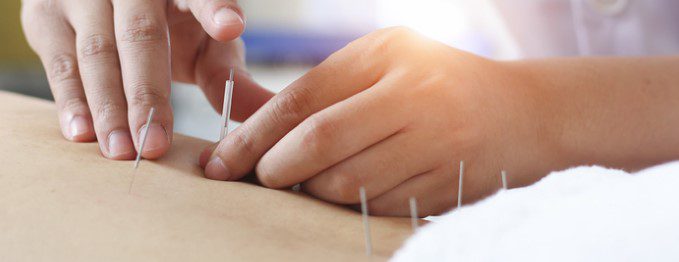
Acupuncture: Trying Traditional Chinese Medicine
Acupuncture has been in practice for thousands of years, making it one of the oldest forms of pain relief. It uses long and very thin needles to stimulate energy along your body using what are called meridian points. Acupuncture is based on the belief that your body needs to have a balanced qi (energy) to function at its best, and that’s what the needles help you achieve.
For those with RA, acupuncture appears to:
- Lower various chemicals in the body that lead to inflammation
- Ease emotional issues the disease can cause, such as depression and anxiety
- Increase blood flow to the treatment areas, bringing more nutrients and oxygen
In turn, those extra nutrients and oxygen help make cartilage and other tissues healthier and stronger.
Heat and Cold: Alternating Temperatures for Relief
Heat and cold are both helpful in easing the pain that RA can cause. Heat can increase blood flow to the treatment area, helping to relax muscles while easing joint pain. It is often particularly helpful to use heat in the morning, right before you start your daily activities.
You can choose for your heat therapy to be moist or dry. Some options include:
- Heat pads
- Dry saunas
- Steam saunas
- Warm and damp compresses
- Hot shower or bath
- A hot wax (paraffin) bath if you have pain in your hands or feet
You always want to ensure that neither the baths nor compresses are too hot since you don’t want to damage your skin.
Cold therapy is also helpful, especially when dealing with acute pain and flare-ups. This therapy can constrict blood flow to the joints, which helps reduce inflammation while also slowing down the pain signals your joints send to your brain. It can reduce the accumulation of fluids in the joints as well.
Cold therapy is simple; there are many cold packs available, or you can make your own. Limit cold therapy to about 20 minutes a few times a day.
Turmeric: Adding the Spice to Your Diet
Turmeric is a spice belonging to the ginger family. It’s originally from Indonesia and India and features prominently in traditional medicine from those regions.
The curcumin in the spice can block proteins that cause inflammation and can work as well as NSAIDs at easing pain. Curcumin is able to help ease symptoms of immune diseases like RA as well as inflammatory bowel disease. It can help decrease morning stiffness and joint swelling.
If you’d like to try turmeric for RA, you can find it in supplements, teas, and the spice itself.
Capsaicin Gels and Creams: Harnessing the Chili Pepper’s Heat
Gels and creams made from capsaicin — the reason chili peppers are hot — can also help relieve RA pain.
When you apply it to your skin, this chemical creates a tingling or mild burning sensation. It works by reducing substance P, which plays a role in sending pain signals to the brain. This substance is also involved in activating inflammatory reactions in your joints.
Don’t use capsaicin substances with heat pads since doing so can increase the burning sensation to a painful level. Instead, you should use these gels by applying them to the affected area two to three times a day.
Deep Breathing: Achieving Relaxation Through Breath
When you start taking deep and steady breaths, it triggers a relaxation response throughout your body that not only relaxes your muscles but also deactivates your stress receptors. As you breathe deeply, you’re also getting more oxygen into your muscles, helping with relaxation.
One way to do deep breathing is to take a slow and steady breath through your nose while keeping your mouth closed. Doing a few of these throughout the day can make a difference.
Massage Therapy: Easing Pain Out of the Muscles
Massage therapy has the potential to relieve stress and release the tension that RA can cause. It can improve circulation, allowing more oxygen to flow throughout your body and helping to reduce inflammation. Having less tension in your muscles encourages you to stay active, which can help alleviate RA symptoms.
With the many types of massage therapies out there, you can choose the one that you feel most comfortable with. If you have any skin irritations or find that certain essential oils make your RA symptoms worse, let the massage therapist know so they can avoid them.
Regenerative Medicine: Using Stem Cells
Stem cell therapy is an alternative option involving stem cells to repair, replace, or regenerate damaged cells and tissues in the body.
It involves using stem cells, often derived from the patient’s own body (autologous stem cells) to reduce inflammation, improve joint function, and help repair tissue damage associated with Rheumatoid Arthritis.
Getting Help for Rheumatoid Arthritis
Rheumatoid arthritis is a complex condition. However, by turning to medications as well as natural remedies, you can get the relief you need. You don’t have to go through daily discomfort when there are options available.
by Stemedix | Aug 21, 2023 | COPD
COPD stands for chronic obstructive pulmonary disease. This disorder is characterized by decreased airflow to and from the lungs. It is a progressive respiratory condition that can impact your ability to breathe properly. When you develop COPD, your body receives less oxygen than it needs to function properly.
What causes COPD? People develop COPD for several reasons, but smoking is one of the most common causes. Exposure to air pollution, genetics, and early childhood respiratory infections can all increase your risk of developing the disease later in life.
You may not know that COPD occurs in four distinct stages. Each of these stages produces different symptoms, and the treatment approaches vary depending on the stage of the disease.
Stage One
The first stage of COPD is mild and produces very subtle symptoms, if any. During this stage, many people aren’t aware that they have COPD or that anything is wrong with their lung function. Some people mistake their symptoms for a simple flu or respiratory infection at this stage.
Symptoms
While symptoms are minor during the first stage of COPD, you may notice the following:
- Cough
- Increased mucus production
- Shortness of breath with moderate exertion
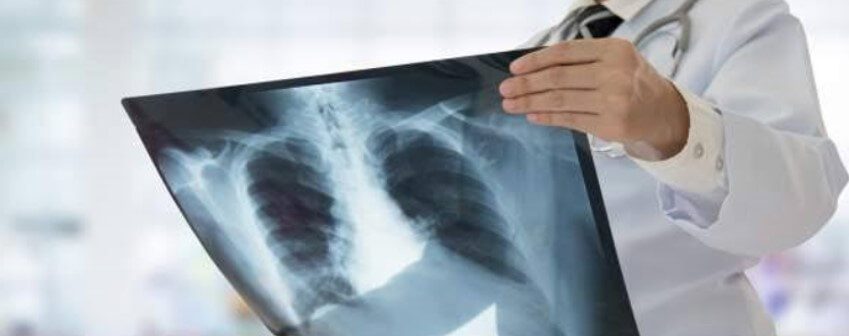
Often, stage one COPD is diagnosed through an incidental finding on a routine diagnostic exam. Your doctor can perform a spirometry test during a yearly physical and find that your lung function is abnormal.
From there, they may order a pulmonary function test or PFT to assess your lung function with a FEV1 score. FEV1 measures your forced expiratory volume or the amount of air you breathe out when you exhale. In stage one, your FEV1 should be between 80 and 100 percent.
Treating Stage One COPD
In the first stage of COPD, your doctor may prescribe a bronchodilator as the first line of treatment. This is an inhaled medication that can help open up the airways and allow for increased airflow. They may also suggest lifestyle modifications, like quitting smoking and avoiding exposure to secondhand smoke.
Stage Two
Stage Two COPD is still relatively mild for most patients, but there is a slight increase in the severity and frequency of symptoms. Many people see a decrease in their activity levels and quality of life during this stage because their symptoms have become more noticeable and ongoing.
Symptoms
During the second stage, you can experience any combination of the following symptoms:
- Chronic cough
- Increased mucus production
- Shortness of breath with mild exertion
It is during this stage that most COPD patients are officially diagnosed because they seek an answer to their ongoing symptoms.
Your primary doctor may perform a preliminary spirometry test before referring you to a pulmonologist for a pulmonary function test. In stage two, a PFT will typically reveal an FEV1 score of 50 to 79 percent.
Treating Stage Two COPD
Treatment becomes pertinent when you are in the second stage of COPD. Your doctor will likely prescribe a bronchodilator medication to provide increased airflow and open up the airways. Steroids may also be provided to help ease your symptoms during flare-ups.
You may also start a pulmonary rehabilitation program. These programs are designed to further educate you on COPD and give you additional ways to manage the condition.
Stage Three
Stage three is considered to be the severe stage of COPD. It is during this stage that most patients find their quality of life significantly impacted, with a decreased ability to function. More extensive treatment methods are started during this time as the condition continues to progress in severity.
Symptoms
When you are in the third stage of COPD, you will likely experience the following symptoms and more:
- Chronic shortness of breath
- Continued coughing
- Excessive mucus production
- Frequent respiratory infections
- Chest tightness
- Pain or discomfort when taking a deep breath
- Wheezing
- Trouble getting a full breath
- Swelling in the ankles
During stage three of COPD, many people find it difficult to perform their activities of daily living. You may find yourself too out of breath to complete daily chores, work duties, and more. Most patients are unable to exercise to any extent and experience extreme lethargy from even short periods of physical activity.
A pulmonary function test often shows the FEV1 to be at 30 to 50 percent during this stage.
Treating Stage Three COPD
Treatment options during stage three of COPD are very similar to stage two, but supplemental oxygen is added. You may also find yourself using prescription steroids more often due to frequent flare-ups or an increase in the severity of your symptoms.
Stage Four
Stage four is the most pronounced and severe stage of COPD. When you are in this stage, your ability to function is significantly diminished. Blood oxygen levels will be low, and you are now at an increased risk of developing heart failure or lung failure. Most people are completely dependent on oxygen at this point.
Symptoms
Symptoms of stage four COPD are very pronounced and seriously impact your quality of life. Many patients experience:
- Difficulty breathing, even at rest
- Heart palpitations or tachycardia
- Wheezing
- Extreme mucus production
- Severely decreased airflow
- Intense lethargy and fatigue
- Inability to partake in any physical activity
In the fourth stage of COPD, you will experience frequent flare-ups that could be fatal if not immediately addressed. You will likely be entirely dependent on oxygen to get any oxygen intake. FEV1 readings at this stage are below 30 percent.
Treating Stage Four COPD
When you reach the fourth stage of COPD, extensive treatment options are required to maintain oxygen intake. Ongoing supplemental oxygen is necessary, and surgical intervention may be needed. These interventions include lung transplants or lung volume reduction surgery.
Seeking Treatment for COPD
From bronchodilators to surgical intervention, there are many ways to approach COPD in its different stages. In recent years, some patients have looked to regenerative medicine to alleviate COPD symptoms.
If you are struggling with chronic obstructive pulmonary disorder at any stage, speak with your pulmonologist about alternative treatment options.
by Stemedix | Aug 18, 2023
Orthopedic Are you in pain because of an injury or joint related condition with limited prospects of a recovery? Discover how Stem Cell Therapy for Orthopedics can potentially help your symptoms. Orthopedic Are you in pain because of an injury or joint related...
by Stemedix | Aug 18, 2023
WHAT IS Regenerative Medicine for Multiple Sclerosis Discover how Regenerative Medicine, also known as Stem Cell Therapy, is studied as a potential option for those seeking to manage their symptoms. Request Information Packet WHAT IS Regenerative Medicine for Multiple...
by Stemedix | Aug 17, 2023
WHAT IS Regenerative Medicine for Rheumatoid Arthritis For those seeking to potentially manage symptoms of this condition, Regenerative Medicine also know as Stem Cell Therapy for Rheumatoid Arthritis is a natural alternative option. Request Information Packet WHAT IS...



 St. Petersburg, Florida