by admin | Nov 10, 2017 | Stem Cell Research
In recent years, research into how stem cells can be used to improve heart health has been growing. Stem cells appear to be particularly promising for helping to repair damage to the heart because stem cells can help to rebuild tissue that has been injured or destroyed.
As it becomes more and more clear that stem cells offer therapeutic options, it also becomes more important to understand how stem cells work so that therapies can be strategically developed and optimized. A recent study helped to clarify how certain stem cells can be mobilized.
The researchers hypothesized that hyperbaric oxygen would mobilize bone marrow-derived stem/progenitor cells through a nitric oxide-dependent mechanism. Nitric oxide is known to have a role in mobilizing bone marrow-derived stem/progenitor cells through the release of a cytokine. The researchers’ hypothesis stemmed from the fact that hyperbaric oxygen can activate the protein that makes nitric oxide.
Data from the study showed that hyperbaric oxygen did indeed mobilize bone marrow-derived stem/progenitor cells. They also found that the number of bone marrow-derived stem/progenitor cells in patients’ blood was higher during hyperbaric oxygen treatments. However, exposure to radiation limited the response to hyperbaric oxygen.
Interestingly, some of the researchers’ clinical data were inconsistent with the results of their basic science studies. Thus, further research is needed to fully understand the best ways to mobilize stem cells and improve their likelihood of being therapeutically valuable.
To learn more about Hyperbaric Oxygen therapy, click here.
by admin | Nov 7, 2017 | Studies, Lupus
A recent study published in Clinical and Experimental Medicine provides new evidence that mesenchymal stem cell transplantation may be a safe treatment option for patients who suffer from systemic lupus erythematosus and who do not respond to conventional treatments like immunosuppressive drugs and steroids. Previous studies that have examined the efficacy and safety of mesenchymal stem cell therapy for lupus patients have suggested that the procedure is safe. In those studies, few if any adverse side effects have been observed.
Given the promise of mesenchymal stem cells for treating systemic lupus erythematosus, the scientists conducting the current study wanted to more comprehensively evaluate the technique’s safety. They studied 9 patients with systemic lupus erythematosus who were not responding to immunosuppressive drugs or steroids. The patients underwent umbilical cord mesenchymal stem cell transplantation and were evaluated immediately following the procedure and again 6 years earlier.
To evaluate safety, the researchers performed tests of the blood, urine, and liver. They also checked the heart with electrocardiograms, did chest radiography, looked at white blood cell and platelet counts, and checked for markers of cancer. None of the tests the researchers performed demonstrated adverse side effects of the umbilical cord mesenchymal stem cell transplantation either immediately after or 6 years after the procedure. One patient experienced a warm sensation with dizziness following the transplantation, but no patients experienced headaches, nausea, or vomiting.
These results help to bolster the idea that mesenchymal stem cells may provide a safe therapeutic option for systemic lupus erythematosus patients who do not respond to conventional therapies. Studies that evaluate both longer-term safety of the procedure as well as its efficacy in improving the symptoms and progression of lupus will help scientists and clinicians better understand how stem cell regiments can be used to help lupus patients.
To learn more about stem cell therapy for lupus patients, click here.
by admin | Nov 4, 2017 | Studies, Lupus
A recent study that was undergone to determine how effective – and how safe – a stem cell transplant for lupus patients found that the approach was both effective and safe. The results were published in the Annals of the Rheumatic Diseases.
The researchers specifically targeted patients with systemic lupus erythematosus who did not respond to conventional treatments for lupus. Certain types of stem cells have been used to treat these types of patients before. In this study, researchers used mesenchymal stem cells because these cells have advantageous properties that make them likely to be effective in the treatment of systemic lupus erythematosus, as well as properties that make them likely to be safer than hematopoietic stem cells.
There were 15 patients who underwent mesenchymal stem cell transplantation as part of this study. The researchers followed up with the majority of these patients for over a year following the procedure. When assessing the patients, the researchers tested them on the systemic lupus erythematosus disease activity index (SLEDAI) and for proteinuria, as these tests can be used to evaluate lupus status and kidney function. The researchers found that every patient who had received the stem cell transplantation showed clinical improvement in their lupus.
Once a year had passed since the stem cell transplantation, all but 2 patients continued to experience an improvement in their lupus, while the other 2 patients had a relapse in their proteinuria. The researchers looked at other signs of kidney and non-kidney function and found evidence of improvement from those tests as well. The researchers did not observe any serious adverse side effects from the stem cell transplantation.
These results demonstrate the promise of mesenchymal stem cell transplant for lupus patients who do not respond to conventional treatments. Given that the stem cells appear to be safe for this application and also to improve lupus, further research will likely help clarify the best way that these stem cells may be used to help patients who suffer from lupus.
To learn more about stem cell transplant for lupus patients, click here.
by admin | Nov 1, 2017 | Studies, Stem Cell Research
Recent research has found that stem cells may offer a promising new solution for treating Achilles tendon ruptures. Conventional treatment options for Achilles tendon ruptures have significant limitations. Some treatments work only to combat the symptoms related to Achilles tendon ruptures but do not work to repair the damage. These options are also time-consuming and often ineffective. Surgical interventions, on the other hand, involve high degrees of risk related to complications due to things like infection and nerve damage.
Given the opportunity for stem cells to help repair tissue damage, physicians and researchers have begun to focus on how stem cells may be specifically applied to treat Achilles tendon ruptures. The current study assessed two different types of stem cells in Achilles tendon rupture repair. These cells, called bone marrow mesenchymal stem cells and tendon-derived stem cells, have advantages over other stem cell types in their potential to help with Achilles tendon rupture. For instance, both stem cell types proliferate quickly.
Because tendon-derived stem cells are specific to the tendon, the researchers hypothesized that these cells would be more effective in Achilles tendon rupture repair than bone marrow mesenchymal stem cells. To test their idea, they implanted the two stem cell types into ruptured Achilles tendons and look at the impact of each stem cell type.
The researchers found that both types of stem cells were effective in improving the potential for ruptured Achilles tendons to heal. Consistent with their hypothesis, however, they found that the tendon-derived stem cells were more effective than were the bone marrow mesenchymal stem cells. Further research will likely help the medical community understand how best to use stem cells to address issues like ruptured Achilles tendons.
To learn more about the benefits of stem cell therapy, click here.
by admin | Oct 20, 2017 | Stem Cell Research
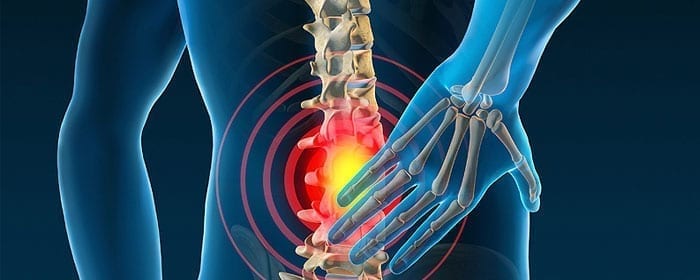
Xiaodong Pang and colleagues have demonstrated the successful use of human umbilical cord tissue-derived mesenchymal stem cells in the treatment of chronic discogenic low back pain. The study, published in Pain Physician, is the first study to addressing the potential of this particular treatment option for chronic discogenic low back pain.
Chronic discogenic low back pain is the leading cause of chronic low back pain, which leads to a significant amount of disability. This type of back pain does not currently have any highly successful treatment options. Generally, the pain is managed conservatively, and if all else fails, surgical fusion is undertaken. Neither of these options addresses the underlying cause of chronic discogenic low back pain and instead simply address the symptoms, offering ways to try to reverse those symptoms.
In this initial study conducted by Pang and colleagues, the researchers aimed to establish that human umbilical cord tissue-derived mesenchymal stem cells could be both feasibly and safely used in humans to treat chronic discogenic low back pain. The study, conducted at a spine center in China, focused on two patients with chronic discogenic low back pain. Both patients underwent the transplantation of the stem cells, and their back pain symptoms and lumbar function were assessed both immediately after the transplants and again two years later.
The researchers found that both the pain and the function associated with the patients’ back conditions improved immediately after the stem cell transplants. In addition to demonstrating that this particular transplant procedure was feasible, the researchers also showed that it was safe, as neither patient suffered side effects.
There are a number of reasons for which human umbilical cord tissue-derived mesenchymal stem cells may provide the benefits that these researchers observed. For instance, unlike other stem cell types, these cells have the ability to differentiate into a number of different types of cells. The results of other studies suggest that these stem cells may help with this lower back condition by altering cell activity such that less inflammation occurs.
Going forward, researchers will need to replicate the findings of this study to show that the positive effects of human umbilical cord tissue-derived mesenchymal stem cells in chronic discogenic low back pain extends to the general patient population. Further, as the mechanism by which these cells may improve the condition is not clear, research that helps to elucidate the way these cells confer their benefits will also help in the development of relevant therapeutic interventions.
To learn more about stem cell treatments click here.
Reference
Pang, X, Yang, H, & Peng, B (2014). Human umbilical cord mesenchymal stem cell transplantation for the treatment of chronic discogenic low back pain. Pain Physician. 17: E525-530.





 St. Petersburg, Florida