by admin | Mar 22, 2019 | Stem Cell Research, Cannabinoid, Stem Cell Therapy
Over 1 million patients worldwide have been treated with adult stem cells and have benefited from them. And nearly 20 000 adult stem cell transplants were performed in the United States in 2014 alone! How is that possible? What are stem cells? What do they do to your body? And why are so many benefiting from them? We take a look at these important questions surrounding the benefits of stem cells, as well as how CBD can help you get the most benefits from stem cells.
What Are Stem Cells?
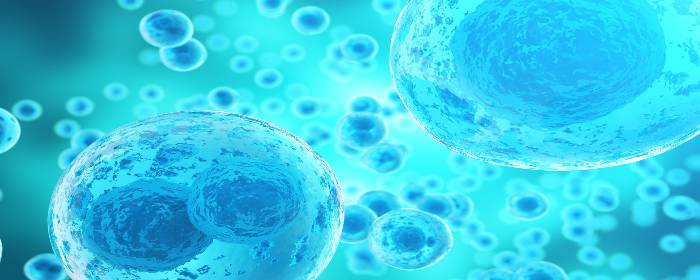
Stem cells are a very special kind of human cells. They are cells of the body and are therefore somatic cells, found in your bone marrow and fat cells. They are a part of your body’s natural repair process. But why are they so special? Well, they have the ability to develop into many different cell types. This can range from anything from muscle, cartilage and even bone! Stem cells can divide and become differentiated, and are therefore used as a therapy called stem cell therapy. Stem cell therapy involves using a patient’s own stem cells to repair damaged tissues. When an organism grows, the stem cells specialize and take on specific functions, including skin, nerves, blood, muscle, and liver.
Because of their magical transformative powers, they have the potential to treat a number of diseases, including diabetes, Parkinson’s and even cancer. They also have the potential to treat a number of serious injuries, from a damaged knee, to even treating spinal cord injury! Eventually, they may even be used to regenerate entire organs, decreasing the need for organ transplants. Now that we know what stem cells are and how they work, let’s have a look at five of their biggest benefits.
1. Avoid Invasive Surgery and Related Risks
One of the biggest benefits of stem cells and using them in stem cell therapy is that it allows patients who would possibly have required heavy surgery to not have any such invasive surgery. Stem cell therapy uses material already in the patient’s body, which makes it minimally invasive and also cuts out the need for an overly stressful, invasive surgical procedure. Most stem cell therapy is performed as an outpatient procedure, i.e. you can just have it done in the doctor’s office! No need for an overnight hospital stay and those ridiculously high associated medical costs.
Your doctor will first conduct a bone marrow aspiration, in which he removes stem cells from an area of the body, such as the hipbone, through a long needle. These cells are then delivered to the area of injury. Once there they work their magic to create healthy new tissue to replace a damaged muscle, tendon, ligament, cartilage or bone. They become healthy new cells that your body desperately needs.
2. Minimal Procedure & Recovery Time
One of the greatest stem cell benefits is the minimal amount of time involved in the whole therapy, from the actual procedure to the recovery time required afterward. Procedures generally last from two to five hours, depending on the type of cell treatment being performed. After the minor procedure, your activity level may be a bit limited for the first week. This is merely to let the stem cell therapy process to work uninterrupted and without any possible inflammation. After just seven days you should be able to return to your normal activity! Your treatment will include some monitoring after the treatment, to ensure everything is working as it should.
3. Can Offer Pain Relief
Stem cell therapy is highly sought out by patients who experience chronic pain. As it should be! Because of stem cells’ ability to restore and regenerate, being used in pain management is a logical step. The use of stem cell therapy is being studied for a number of chronic pain conditions, particularly pain in the knees, hips, elbows, and back. Stem cell therapy can offer pain relief in the way that it reduces the inflammation which causes chronic pain. It also helps to heal regenerative conditions that lead to pain, such as arthritis. Promising results have been found in research into the use of stem cells to reduce arthritis pain. As every patient and their condition is different, long-lasting pain relief can never be guaranteed by any doctor.
4. No Risk of Rejection
When you receive stem cells from a donor, there’s always the risk that your body will reject them. Because the stems are coming from another person’s body, many complications can arise. The most common complication is called graft-versus-host disease. This is when blood cells formed from the donor’s stem cells believe your own cells are foreign and attack them. On the other hand, harvesting stem cells extracted from your own body to generate new cells and tissues means there is no risk of rejection!
5. Potential to Discover New Treatments
Because of the nature of stem cells, the possibilities for treating new diseases and finding new cures is endless. Stem cell therapy research provides great potential for discovering treatments and cures to a variety of diseases. Advanced research is going as far as limbs and organs being grown in a lab from stem cells, which are then used in transplants. With stem cells, scientists are able to test millions of potential drugs and medicine, without the use of animal or human testers.
How Can CBD Help with Stem Cell Treatment?
We’ve seen how amazing stem cells are. Now let’s have a look at how much more amazing they can be when combined with the effects of CBD! According to results from multiple trials, cannabidiol, or CBD, can help increase the number of stem cells growing within the body. CBD has even shown to positively contribute to the movement of the stem cells within the body. They can then do what they do best – help heal the body and reduce pain.
Nearly 20% of those who went through hematopoietic stem cell transplant (HSCT) used cannabis. Not only was it used to treat their physical and emotional pain, but it was also used in the hope that it will contribute to the replacement of bone marrow that has been destroyed by cancer. Because both CBD and stem cells have been seen to reduce pain, combined the possibilities for better treatments are endless.
How Can I Experience the Benefits of Stem Cells?
You’ve heard about the many benefits of stem cells. You’ve heard how popular it is. And you’ve heard the vast amount of injuries, diseases, and pain that it can treat. Perhaps it’s about time you had a look at it as a treatment for your condition. Whether you’re looking for an alternative treatment to your sports injury, your multiple sclerosis or your chronic fatigue syndrome, we’re here to help you along the way.
Get in touch with us to see if you are a candidate for Stem Cell Therapy. Also, check out our website shop to see available products.
by admin | Mar 20, 2019 | Health Awareness
While scents like lavender commonly come to mind when we think of stress relief, it turns out citrus may evoke a sense of calm, too. Typically associated with invigorating and energizing powers, the scent of an orange has also been associated with stress relief. Find out how having this fruit on hand can help you stay calm in the face of a chaotic day below.
Inhale to Reduce Stress
By some estimations, the scent of an orange may reduce stress by more than 70%. Yet, having ripe orange slices on hand may not always be the most practical option for those of us with busy schedules. Using essential oils is therefore be a good alternative for getting an uplifting whiff of citrus during a long commute, for example. Likewise, if you anticipate a hectic work day, you can apply a few drops of essential oils approved for topical use on the wrists, temples, neck, or behind the ears. While mandarin has been linked to better digestion in addition to reduced stress, other citrus oils have unique benefits, too. Lemon, for example, has been shown to improve cognitive performance, while the scent of grapefruit oil appears to reduce cravings and boost metabolism.
Of course, you don’t have to simply smell oranges to reduce stress. In fact, eating oranges may pack an even more powerful punch.
Vitamin C for Relaxation
If you have a particularly stress-inducing event coming up, it may be worthwhile to pack an orange in your bag. People who consumed 1,000 mg of vitamin C before delivering a speech had lower levels of cortisol, also known as the stress hormone, as well as lower blood pressure. While the sensory benefits of peeling an orange undoubtedly contribute to this more relaxed state, the vitamin C itself also aids in stress reduction by allowing the body to quickly process cortisol. Moreover, people with high vitamin C levels actually recover from stressful situations quicker.
While an orange a day may keep the stress away, vitamin C supplements may also be beneficial for certain populations. Although the recommended dietary allowance for vitamin C for adults is a mere 75-90 mg, some evidence suggests that this outdated recommendation – which was established to combat scurvy – is inadequate for optimizing health. Thus, it comes as no surprise that vitamin C is the most commonly consumed supplement. If you’re considering upping your intake, just be sure to check in with a medical or dietary expert before beginning a new supplement regimen.
by admin | Mar 18, 2019 | Health Awareness
Medical professionals have known for a while now that diet impacts health in myriad ways, but there are still some frequently overlooked aspects of how wellness is influenced by nutrition. Although food choices are primarily associated with weight and cardiovascular health, it turns out what we put on our plates also affects specific parts of the body in unique ways. In particular, diet and foot health are perhaps more related than you might think.
How Diet Impacts Foot Health
Research shows certain foods produce an inflammatory response throughout the body. While temporary inflammation isn’t too much of a cause for concern, evidence suggests chronic inflammation is a risk factor for major degenerative diseases. In fact, it could be a major causative factor in coronary artery disease, diabetes, cancer, and Alzheimer’s.
While inflammation is actually the body’s way of signaling the body to fight off infections, the same reaction can also cause long-term harm. When inflammation continues, it prompts the body to use different mediators to guard cells, which can actually destroy healthy tissue and cause disease over time.
This inflammation is responsible for many conditions linked to foot pain, including Rheumatoid Arthritis, gout, and psoriatic arthritis. It may also impact the plantar fascia, the tissue that runs beneath your foot, leading to a painful condition called plantar fasciitis. Diabetes, while often caused by a combination of lifestyle and genetic factors, can also be triggered in part by chronic inflammation. Complications from diabetes result in nerve damage to the foot for as much as 70% of its sufferers.
Additionally, a healthy diet helps to keep osteoporosis, or progressive bone loss, at bay. Although this condition is not isolated to the foot, it could increase the risk of stress fractures in the complex network of bones within the feet.
Fueling Up from Head to Toe
Many of the choices we can make to fuel foot health are precisely in line with the principles of eating healthy in general. Avoiding foods known to cause inflammation, while loading up on whole foods that are nutrient-rich, is one of the best options available for fighting a broad range of chronic diseases and promoting optimal health. With that in mind, here are some foods to steer clear of or consume only in moderation:
- Added sugars
- Red meat/processed meats
- White bread & pasta
- Fried food
- Soda
- Alcoholic beverages
On the other hand, here are some foods that are known for their anti-inflammatory properties due to their high content of fiber, antioxidants, omega-3 fatty acids, or other nutrients which help to beat inflammation:
- Fish
- Nuts
- Whole grains
- Fruits & vegetables
- Beans
When it comes to dairy, there are conflicting schools of thought. On the one hand, yogurt, cheese, and milk have a high concentration of calcium and vitamin D, two nutrients that support bone health to aid in osteoporosis prevention. Yet, dairy products like whole milk, cheese, and butter are high in saturated fat, which is linked to inflammation. Your best option is to opt for low-fat dairy products instead, which are not considered inflammatory but are still packed with nutrients.
by admin | Mar 14, 2019 | Spinal Cord Injury, Stem Cell Research
Traumatic spinal cord injury is a potentially devastating event in which the nerves and nerves cells in the spinal cord are damaged. In the United States, more than a quarter of a million people struggle with the lifelong consequences of traumatic spinal cord injury. The consequences of spinal cord injury vary from person to person, but each person usually must deal with several complications. Many people with spinal cord injury are paralyzed. They are at risk for pressure ulcers, blood clots in the legs, urine and bowel problems, and sexual dysfunction. Despite being paralyzed, as many as two-thirds of patients with spinal cord injury experience chronic pain, which is difficult to treat. Spinal cord injury can also affect how the heart and lungs function.
There are no specific treatments for spinal cord injury. If the injury is treated early, steroids and spine surgery/neurosurgery can help reduce long-term complications. In some cases of incomplete spinal cord injury, physical therapy can help people regain some degree of function. For the most part, treatment is aimed at reducing symptoms rather than curing the injury. Treating the symptoms helps make the disease less of a burden, but is by no means the same as a cure.
Because spinal cord injury has such long-lasting and devastating effects, researchers are actively pursuing ways to heal injured spinal cord nerve cells. One possible way to do this is through the use of stem cells.
Liu and coauthors conducted a clinical trial on 22 patients with spinal cord injury. The doctors collected mesenchymal stem cells from umbilical cord tissue that would normally be discarded as medical waste after delivery. They purified the stem cells and then used them to treat the injured patients. Astoundingly, stem cell treatment was effective in 13 of 22 patients. Patients who achieved benefit from stem cells enjoyed the return of motor function, sensory function, or both. All patients who were treated with stem cells reported less pain, improved sensation, better movement, and a greater ability to provide self-care. Importantly, the treatment did not cause any notable side effects for up to three years after treatment.
These clinical trial results are truly remarkable, but it is important to note that the number of patients treated was small and further testing is needed. Nevertheless, the researchers concluded that treatment with mesenchymal stem cells derived from umbilical cells is safe, and can improve function and quality of life in most patients with spinal cord injury.
Reference: Liu et al. (2013). Clinical analysis of the treatment of spinal cord injury with umbilical cord mesenchymal stem cells. Cytotherapy. 2013 Feb;15(2):185-91.
by admin | Mar 12, 2019 | Health Awareness
There are many factors contributing to a person’s risk for heart attack, including high blood pressure and cholesterol, smoking, and family history. Luckily, there are just as many ways to lower your risk as there are risk factors. Oftentimes, the first approach that comes to mind includes improving diet and establishing a healthy exercise routine. While these are indeed important for reducing heart attack risk and improving overall health, researchers are also finding minor lifestyle adjustments could also help you prevent cardiac events.
In particular, two recent Harvard-led clinical trials suggest eating more fish or taking a fish oil supplement can reduce the risk of heart attack. The findings were so impressive that one cardiologist even stated that a reduction in heart attacks so profound hasn’t been witnessed since aspirin therapy was first explored.
In the VITAL trial, study participants aged 50 and older who took 1 gram of fish oil daily had a 28% reduction in heart attack risk, observed over a five-year follow-up period. In the REDUCE-IT trial, participants took EPA, a pure form of omega-3 fatty acid. People taking the supplement had a 20% reduction in the risk of heart-related death, 31% reduction in heart attack risk, and a 28% reduction in stroke risk.
How Do Omega-3 Fatty Acids Support Heart Health?
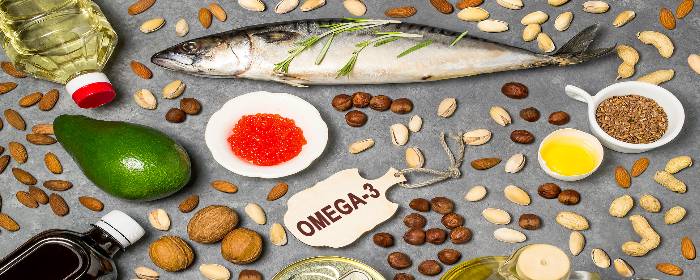
Omega-3 fatty acids are found in fish like salmon and sardines but can also be taken in supplement form. These nutrients are unsaturated fats which have been shown to reduce inflammation throughout the body. Inflammation is the main offender in increasing heart attack risk, as it can damage blood vessels, contributing to heart disease and stroke. There are also other ways omega-3 can support cardiac health: they may decrease triglycerides, reduce blood pressure and clotting, and reduce irregular heartbeats.
While supplements are one way to take in these powerful fatty acids, experts agree that dietary measures should also be prioritized. One to two servings of omega-3 fatty fish each week is ideal. In addition to salmon and sardines, tuna, lake trout, and mackerel are also good choices. Most other types of seafood only contain small amounts of omega-3s.
As with any supplement, it’s important to talk with your doctor before beginning a daily regimen. Specifically, individuals on blood thinners may not be good candidates for fish oil supplements, as they too can produce a blood-thinning effect. With that said, based on the compelling research, it’s certainly worthwhile for adults over the age of 50 to discuss their candidacy for supplements with their doctors.




 St. Petersburg, Florida