
What Are the Best Foods to Relieve Chronic Pain?
Whether it’s from arthritis, fibromyalgia, or another chronic condition, persistent pain is frustrating at best. There are many therapies available to help reduce discomfort, but one often overlooked lifestyle change is refining your diet. In particular, there are a few foods known for combatting inflammation, a key agent behind chronic pain. Try incorporating some of these foods and ingredients into your diet to see if it makes a difference with your pain levels. Here are some of the best foods to relieve chronic pain:
Soybeans
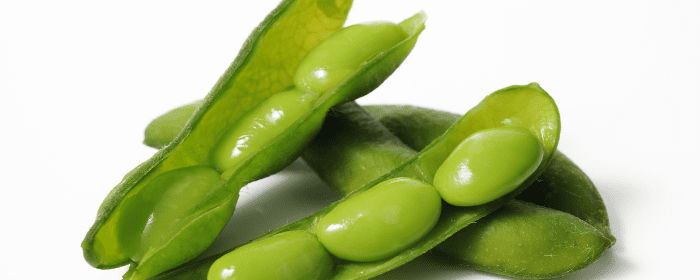
Soybeans have an anti-inflammatory effect, which could be a result of their powerful, protective phytoestrogens and omega-3 fatty acids. While soybeans are commonly found in prepared products like tofu and soy milk, you can also enjoy them as a protein-rich snack in the form of steamed edamame.
Fish
Experts have been touting the benefits of fish for decades due to the food’s many health-boosting qualities. Cold-water fish, in particular, is rich in omega-3 fatty acids, which can help to curb inflammation. Reach for varieties like tuna or salmon for the greatest benefits.
Cherries
Delicious tart cherries are convenient, low-calorie snacks loaded with antioxidants. They’re also good sources of cyanidin, which has anti-inflammatory effects even stronger than that of vitamin E. The compound is known for reducing pain caused by arthritis and gout, in particular.
Turmeric
Turmeric’s most active compound, curcumin, is a potent anti-inflammatory agent which is believed to help control the symptoms of arthritis. It can also help to improve depression symptoms and even aid in the prevention of cancer, Alzheimer’s disease, and heart disease. Try the seasoning with your eggs, rice, or even in a smoothie.
Foods with Vitamin D
Interestingly, vitamin D deficiencies are very common among people with chronic pain. While experts are still unsure as to whether a deficiency could exacerbate existing pain or actually cause it in the first place, getting ample intake of this nutrient is clearly important for keeping discomfort at bay. With your doctor’s approval, consider taking supplements or getting vitamin D from sources such as fatty fish and egg yolks. Just try to steer clear of cow’s milk, which has inflammatory properties that may worsen pain.
Gallery
Our Gallery Stemedix 360...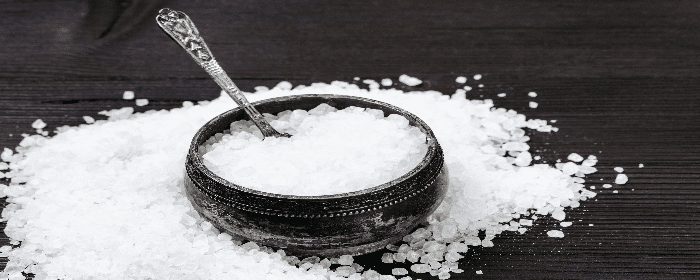
Could Too Much Salt Contribute to Dementia?
Experts have been researching the potential causes of dementia for quite some time. Like many conditions, it’s believed to result from a combination of lifestyle, hereditary, and environmental factors. Recently, however, there’s been one dietary factor catching the attention of researchers: excess salt. Discover the connection between table salt and dementia risk below.
Dietary Salt & Cognitive Impairment
According to research published in October 2019 in Nature Neuroscience, a link has been established between excessive salt intake and elevated dementia risk. While experts have long associated poor cerebrovascular function with high salt diets, this new study suggests high sodium levels don’t just restrict blood flow to the brain; they can actually affect tau protein levels in the brain, too.
Tau supports neurons under normal circumstances. It does so by stabilizing microtubules, the structures which carry nutrients to neurons. When tau becomes unstable, it can build up in the brain. The buildup of tau is a hallmark characteristic of Alzheimer’s.
In the rodent study, scientists used nitric oxide to stabilize the tau, which in turn led to normal cognitive function – even though blood flow to the brain was still restricted. This suggests that the tau buildup caused by salt – and not the restricted blood flow – is the true causative agent behind dementia.
Reducing Salt Intake
Based on these findings, experts are now urging individuals to be mindful of their salt intake. Although further research needs to be completed to confirm the connection between sodium and dementia in humans, reducing salt consumption is a good idea anyhow. Excess sodium can accumulate in the blood when the kidneys can no longer keep up with it, which causes the body to hold onto excess water. This, in turn, increases fluid and blood volume, which puts added pressure on the heart and blood vessels. As a result, the risk for blood pressure, heart attack, and stroke increases.
The American Heart Association recommends adults take in no more than 2,300 mg of salt per day, but suggests aiming for an ideal limit of 1,500 mg. The majority of sodium comes from packaged and prepared foods, so making your own meals at home with whole ingredients such as fresh vegetables, whole grains, and lean protein is one of the best ways to reduce salt intake.

How to Stay on Track with Your Resolution to Eat Better
While many of us set New Year’s resolutions to eat well, now is about the time when our aspirations start to lose steam. Making resolutions is the easy part, but actually sticking to them can be challenging. Fortunately, there are plenty of ways to maintain your goal of eating better, both now and through the rest of the year. Here are a few simple tips on how to stay on track with your resolution to eat better that you can keep coming back to if you’re falling off track.
Choose Water Whenever Possible
The calories we consume in beverage form do count, and they’re often a sneaky source of added sugars. Whenever possible, reach for water over juice, soda, and energy drinks.
Fit in Five Fruits & Veggies a Day
Setting a goal to have five fruits and vegetables each day will automatically help you incorporate foods that are filling yet low-calorie and nutrient-dense. Get creative and aim to add a fruit or veggie to every meal: blend a handful of spinach into your morning smoothie or omelet, have some carrots or celery with lunch, serve a side salad with dinner, and enjoy some strawberries or apple slices for dessert.
Add in Some Protein
Foods like salads and pasta become much more filling if you add some protein to them, which can help keep cravings at bay later. Throw some grilled chicken, chickpeas, or chopped nuts into a salad for some protein. Consider adding shrimp or turkey meatballs to your pasta dishes, too.
Have Healthy Snacks on Hand
Getting too hungry while you’re on the go could lead to a trip through the fast-food drive-thru. Keep snacks like mixed nuts, apples, and granola bars on hand so you always have access to healthy options.
Map Out Your Meals
Before you do your grocery shopping, make a list of the meals you’ll have throughout the week. That way, you can limit your grocery list to the things you’ll really need, and you won’t find yourself stuck on what to make on a busy weeknight – which could otherwise lead to takeout.
Prep Meals to Reheat
If your weeknights are especially busy, you might consider making batches of meals on the weekends. Soups, chili, and even chopped veggies can be taken from the freezer and heated up with ease.
Never Skip a Meal
Finally, always be sure to eat breakfast, lunch, and dinner, along with healthy snacks throughout the day if you feel hungry. When your stomach really starts rumbling, you’re more apt to reach for the quickest thing you can find – which may not always be the healthiest option. Plus, you could wind up overeating to satisfy a roaring appetite. This is a crucial step to take when trying to stay on track with your resolution to eat better.
 St. Petersburg, Florida