by admin | May 21, 2020 | Peptides
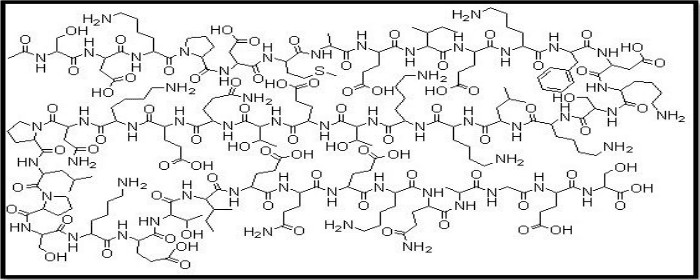
Thymosin beta-4 (Tb4) is a protein with 43 amino acids. Available by prescription, this water-soluble supplement has regenerative properties which make it a promising therapy for neurodegenerative conditions, including multiple sclerosis (MS). This peptide can also promote wound healing and is a potent anti-inflammatory agent. Discover more about the supplement and its benefits below.
How Tb4 Works
Tb4 is a naturally-occurring peptide which is released by platelets to provide protection at the cellular level against inflammation and other types of damage. It also promotes cell migration, including the differentiation of stem cells. With the help of Tb4, stem cells can form new blood vessels and regenerate tissue.
For individuals with neurodegenerative diseases, Tb4 is particularly beneficial. According to research, Tb4 offers neuroprotection, immunosuppression, and neurorestoration within the central nervous system. In the case of MS, the immune system mistakenly attacks the myelin sheath, which protects and stabilizes the threadlike part of the nerve cell responsible for conducting impulses, known as axons. While conventional MS treatments can control the inflammatory effects of the disease, they fail to regenerate myelin. With its regenerative properties, however, Tb4 could improve functional recovery in the brain, as it has the ability to induce myelin repair.
Benefits of Tb4
While Tb4 may hold the greatest therapeutic potential for people with MS, its long list of benefits could also make it a powerful treatment for other conditions. Here are some of its most noteworthy beneficial effects:
- Repair of heart tissue following cardiovascular events
- Promoted healing of ulcers and lesions
- Neuroprotective properties and restoration following brain injuries
- Quicker wound healing and minimized scar tissue formation; better overall tissue repair
- Improved cell migration to damaged tissue
- Potential hair regrowth
- Improved collagen deposition
- Repair of tendons and ligaments and prevention of fibrous bands/adhesions
- Improved joint flexibility
- Increased strength and endurance
- Muscular improvements, including increased growth and tone and reduced spasms
Tb4 is reported safe and effective when taken in recommended doses. Yet, because it’s a powerful peptide, it requires a prescription and adherence to strict protocols. If you think you could be a good candidate for Tb4, you can learn more or request additional information about the supplement here.
by Stemedix | May 18, 2020 | Multiple Sclerosis, Stem Cell Therapy
Multiple sclerosis (MS) is an autoimmune disease that’s increasing in prevalence over the past few decades. According to the National MS Society, more than one million people live with multiple sclerosis in the United States alone. Globally speaking, MS is diagnosed in around 2.3 million patients, with hundreds of new cases every week. Interestingly, people who live in the Northern or Southern extremes of the planet are at a higher risk to develop MS than their counterparts.
Unfortunately, MS is a chronic, progressive condition with no curative treatment.
Multiple Sclerosis and its Impact on Brain Cells
The pathophysiology of MS is quite complex and involves the auto-destruction of the central nervous system (CNS) tissue by antibodies and immune cells. The main target of the immune reaction is the myelin sheaths found on neurons to facilitate electrical conduction. Unfortunately, those myelin sheaths also provide protection for neurons to maintain their optimal function.
Additionally, the inflammation mediated by the immune system damages the integrity of neurons, leading to the loss of millions of cells that play a crucial role in the function of the CNS. Another frustrating aspect of this malady is the recurrent relapses, where patients experience vision problems, muscular weakness, reduction in mobility, and balance issues even with adequate pharmacological therapy.
Today, there is one treatment option that is considered an alternative option to one’s journey to wellness and improvement of symptoms – stem cell therapy.
Stem cell therapy and Neural Damage
Mesenchymal stem cells (MSCs) have incredible regenerative and repairing properties due to their multipotent characteristic that allows them to differentiate into different body tissues. MSCs can be obtained from adipose tissue, bone marrow, umbilical cord (Wharton’s Jelly), and placenta.
For many years, researchers conducted studies to see if MSCs benefit patients with multiple sclerosis, and many results showed positive benefits.
For instance, in a 2019 study published by Stem Cell Investigation, researchers stated that “Upon intravenous injection, MSCs are able to traffic into the brain lesions and improve the survival rate of brain cells.” Although scientists are still researching the underlying mechanism that led to these results, the positive effects of MSCs are attributed to their regenerative, self-renewal, and immunomodulating properties.
One of the most appealing type of stem cell therapy is the umbilical cord-extracted MSCs because of the site’s accessibility, their potentcy, and the absence of any ethical issues. Overall, the scientific community believes that MSCs have great potential in the treatment of Multiple Sclerosis and other neurodegenerative conditions.
Stem cell therapy research has increased over the past few years and is making impacts in the history of medicine and biology. The regenerative properties of these cells has opened a new chapter in the management of conditions and their symptoms that can impact a person’s day to day life. Contact us today for a free consultation.
by admin | May 14, 2020
PRACTIONER-GRADE HEALTH SUPPLEMENTS Health is what you’re eating, how you’re moving, and essentially how you’re living. For those wanting to improve their health and wellness goals, Stemedix offers a practioner-grade supplement line through Metagenics. These are a...
by Stemedix | May 11, 2020 | Stem Cell Therapy, Osteoarthritis
Knee issues are among the most common musculoskeletal injuries and can occur in individuals of all ages. The complex joint is made up of bone, cartilage, ligaments, and fluid, as well as muscles and tendons which allow for movement. When any of these structures becomes injured or diseased, discomfort and limited range of motion may ensue. Knee problems can create significant strain on an individual’s life, from preventing participation in sports to making it difficult to get out of a chair. Here 4 FAQs about stem cell therapy for knees.
There are many causes for knee issues, the most common of which is osteoarthritis. In this condition, the cartilage in the joint erodes over time, leading to inflammation and pain. Sports injuries are also common culprits; even a simple, sudden twisting movement can tear or sprain structures like the anterior cruciate ligament (ACL), leading to severe pain.
Depending on the severity of a knee condition, prescribed treatment could include rest, rehabilitation, or surgery. Yet, knee problems don’t always improve with these methods, and many patients understandably want to avoid invasive surgery if possible. Fortunately, stem cell therapy is an emerging solution many experts support — find out more about what it entails below.
4 Commonly Asked Questions About Stem Cell Therapy for Knees
What Is Stem Cell Therapy?
Stem cell therapy is a form of regenerative medicine which uses the body’s natural healing mechanism, stem cells, to rebuild compromised tissue at the cellular level. For knee injuries, the goal of the treatment is to alleviate pain, improve mobility, and delay or prevent the need for surgery.
What Knee Issues Can It Address?
Stem cells may be used to address a number of knee issues. In degenerative conditions, such as osteoarthritis, stem cell therapy can help slow the destruction of cartilage and even rebuild it, due to the stem cells’ ability to self-renew and mature into specialized cell types. The cells also have anti-inflammatory properties and may therefore aid in quicker, more thorough healing of acute knee issues, such as injuries to the ACL, meniscus, and other knee structures.
What Does The Process Entail?
The process for stem cell therapy is fairly simple. The cells are extracted, either from the patient themselves or a donor, and then inserted directly into the injured tissue. Thereafter, they’ll begin the healing process. Depending on your condition, your practitioner may recommend several sessions to achieve the best possible results.
What Is The Success Rate?
As with any type of treatment, success rates will vary from one patient to the next. With that being said, research has shown that patients who have received stem cell therapy for knee issues still felt better than their baseline five years after treatment. For patients who have responded poorly to previous treatment methods or want to avoid major surgery, stem cell therapy is certainly an option worth exploring.
If you are tired of dealing with the everyday pain and want relief that lasts then contact us today!
by admin | May 7, 2020 | Peptides
People who are immunocompromised are vulnerable to infectious diseases such as influenza and COVID-19. Their immune systems often lack the ability to detect and fight off infections. One way to try to protect immunocompromised individuals is to give vaccinations. Unfortunately, the immunocompromised state may mean that the vaccine is less effective. Stated another way, the immune system must react to the vaccine to develop immunity to the associated infection. If the immune system is too weak to react to the vaccine, immunocompromised patients remain unprotected even after receiving a vaccine. What is needed is a way to boost the “immunogenicity” of the vaccine.
A promising way to help the immune system is to provide an adjuvant with the vaccine. The adjuvant makes the immune system react more vigorously to the vaccine itself (i.e. increases the immunogenicity of the vaccine). In immunocompromised patients, this adjuvant can mean the difference between a vaccine working and not working. One vaccine adjuvant is thymosin alpha 1, also known as Zadaxin.
Researchers conducted a clinical trial to see if Zadaxin could increase the immunogenicity of the pandemic H1N1v flu vaccine (Focetria) in patients who were immunocompromised. Specifically, they selected patients who were on chronic hemodialysis, which is a treatment for end-stage kidney disease that can interfere with immune system function. They split the patients into three groups: one group got the flu vaccine only, while the other two groups received the flu vaccine plus either low dose or high dose Zadaxin.
The researchers found that adding Zadaxin to the flu vaccine allowed the immune system to generate a much stronger response to the flu vaccine than it did in those who received the vaccine only. More people who received Zadaxin plus flu vaccine developed immunity to influenza than those who received the flu vaccine alone.
The authors admit that larger studies are needed to confirm the finding, but they also note that there were no adverse events (i.e. side effects) caused by Zadaxin during the trial. The treatment was safe, well-tolerated, and did not negatively affect patient laboratory values.
Talk to your Care Coordinator about the peptide option, Thymosin-alpha 1 now offered by Stemedix.
Reference: Carraro, G. (2012). Thymosin-alpha 1 (Zadaxin) Enhances the Immunogenicity of an Adjuvated Pandemic H1N1v Influenza Vaccine (Focetria) in Hemodialyzed Patients: A Pilot Study. Vaccine. 2012 Feb 1;30(6):1170-80.



 St. Petersburg, Florida