by admin | Jan 18, 2018 | Health Awareness
Physical activity is essential for a healthy body. Whether you are trying to reach a healthy weight or keep your current weight maintained it is even more important to indulge in regular physical activity.
Physical activity helps to burn the calories that are used by your body to create energy. By adding in physical activity to your daily routine and reducing the intake of the daily calories, this will help in achieving weight loss.
In addition to achieving weight loss, physical activity also lowers the risks of diabetes and cardiovascular disease.
Some benefits of physical activity include:
- Reduce high blood pressure
- Maintain weight
- Lower risk of diabetes, heart attack, cancer and stroke
- Reduce the risks of osteoporosis and arthritis
- Reduce anxiety and depression
How much physical activity is needed?
The need for physical activity varies from person to person, below are some guidelines that can help:
If your goal is to maintain weight, regular physical activity can help. Start gradually and work up to around 150 minutes a week of moderate aerobic activity, out of which 75 minutes of high-intensity aerobic exercise should be included.
If you want to reach a healthy weight goal, not only will changes in diet be needed, but also incorporating a higher amount of physical exercise. It is important to consult with your physician before beginning any weight loss plan for your health and safety.
To incorporate physical activity in general, aim to do at least 30 min of moderate intensity physical activity on 5 of the 7 days a week. Adding in two sessions of muscle-strengthening activities per week is also helpful. Building muscle strength will help with weight loss.
What is moderate and vigorous physical activity?
If while exercising, your breathing and heart rate is faster than normal but you can carry a conversation properly then it is moderate physical activity. Some examples are:
- Playing with children
- Walking briskly for 15 minutes
- Biking at a casual speed
- Light yard work
If you are experiencing a very rapid breathing along with high heart rate that it is not possible to have a conversation then it is vigorous intensity physical activity. Some examples are:
- Jumping rope
- Swimming
- Jogging
- Running
- Competitive sports like basketball, football etc.
by admin | Jan 17, 2018 | Health Awareness
To lose weight, it is essential that there is not only proper commitment but an effective plan as well. Below is a helpful guide to get you started. Why wait, start today!
#1 Make a Commitment
Start by making a firm commitment to yourself. Some have found it helpful to sign a personally written contract that would include things like a goal date, the amount of weight to lose prior to that date, changes you will make in diet and a plan for physical activity.
Write down the reasons for you wanting to lose weight. Do you want to lose the weight because you want to feel and look good, wear your favorite clothes, or avoid family history conditions like diabetes or heart disease? When written down, these become a reminder for you to stay motivated and hold strong to your commitment.
#2 Measure Your Baseline & Build a Plan
It is important to consult with your doctor prior to beginning your weight loss journey. You will be able to not only have your current weight and height measured, but discuss any possible risk factors as well.
Be mindful that this is your plan personally and not everyone can be successful with the same plan. Consulting with your physician is the best first step to build and execute against a weight loss plan designed for you. Follow up appointments are good to help monitor your progression and ensure you are having a healthy weight loss.
Journal your daily diet. Keeping track of everything you eat and drink is such a powerful part of losing weight. This will keep you stay aware of what you are taking in which will lead you to avoid unnecessary eating. Plan some locations that you can do physical activity like a community gym or park to go walking so you can best plan when and where.
Consider your current lifestyle and see if there are things that may be roadblocks for you to lose weight that you can change. Various factors may come up like, do your work hours make it hard for you get involved in physical activity? Do you eat sugary foods often because you buy it for your kids? Do your colleagues bring high calorie items to the workplace for everybody? See if there are ways to avoid situations or make changes to help your journey and stay focused.
#3 Set Realistic Goals
When you begin, it is suggested to begin with short term achievable goals and focus on just two or three at a time. Examples are a 15-minute walk daily or including a salad instead of french fries as the side.
Reaching short term goals based on making small changes daily can eventually lead to creating and reaching bigger goals. Make the goals achievable. If you start with harder unrealistic goals like losing 20 pounds too quickly, this becomes overwhelming and causes discouragement.
Life happens, so be prepared that there will be times you derail from your plans. Various reasons like longer work hours, celebrations, or holidays may be a few examples, but don’t become discouraged. Instead, reflect and see if the same scenario presents itself again, is there a way to better plan and avoid a setback?
#4 Look for Information and Support
Lean on friends and family that will be supportive of your weight loss and provide motivation when needed. Making these lifestyle changes becomes much easier if you have others around you that you can rely on for support and talk to.
Other ways to stay motivated are to research and find how you can incorporate more health conscience habits, diet ideas, or new physical activities. You may also find that visiting a weight loss professional or joining a weight loss group can also motivate and help you.
#5 Check In to Monitor Your Progress
Continue revisiting the previously set up goals and monitor your progress. Evaluate which parts of the plan work well for you and see if there are others that might need some tweaking. For example, if you are having trouble in meeting your goal of going for a walk early in the morning due to work, then adjust the goal to go for a walk during your work break or later during the day when you are free. Continue rewriting your plans to what suits you best and has successful outcomes. If you are successful achieving your desired goals, then you may want to try and add additional goals or make the current goals more challenging.
When you meet your goals, be proud of the progress you have made and reward yourself. You may decide to go out with friends, take a relaxing bath or buy yourself a bouquet of fresh flowers. Doing so will keep you motivated and happy.
by admin | Jan 9, 2018 | Stem Cell Research
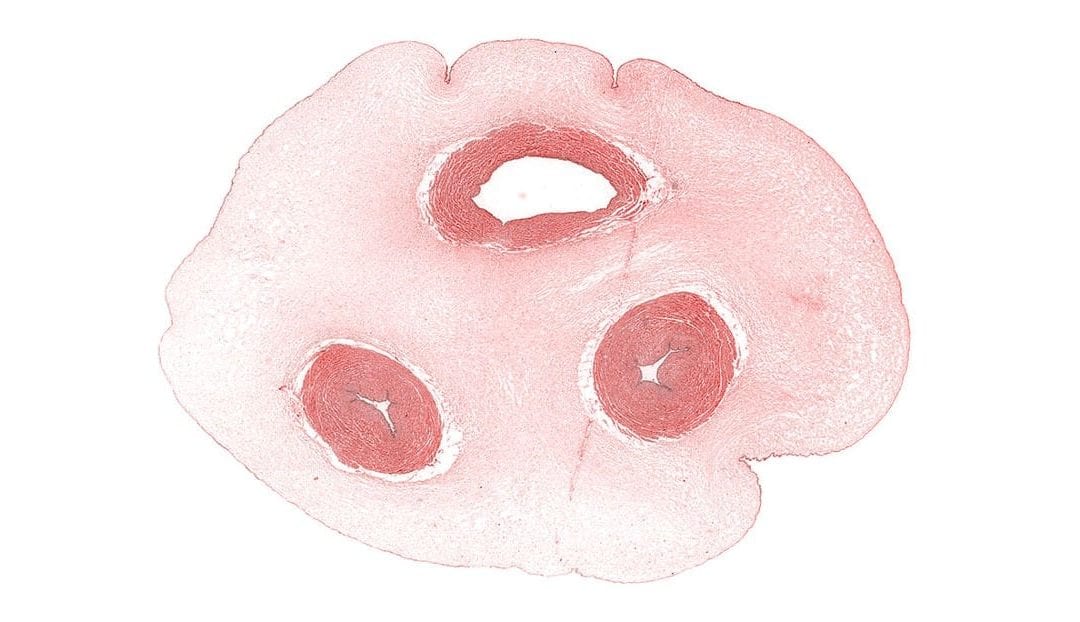
Wharton’s jelly is a rich source of stem cells, but some researchers believe its value is sometimes unappreciated. A recent review published in Stem Cells Translational Medicine synthesized an abundance of information on what is known about Wharton’s jelly. Because scientists often use inconsistent language to discuss observations and research results pertaining to Wharton’s jelly, the authors also proposed a nomenclature to help improve transparency related to methods and findings that involve Wharton’s jelly.
According to the authors, there are a number of advantages of stem cells that come from Wharton’s jelly that are making it a popular source of these cells. One critical benefit is the noninvasive nature of the stem cell collection. Because Wharton’s jelly is collected from tissue that would otherwise be discarded after the delivery of a baby, collecting the stem cells does not require its own invasive procedure.
Another apparent benefit of Wharton’s jelly is its therapeutic efficacy. Because basic science studies have demonstrated the potential for Wharton’s jelly-derived mesenchymal stromal cells to outperform other stem cell types in their ability to treat disease, these cells are now being tested in a number of clinical trials.
For progress to be made with Wharton’s jelly-derived stem cells, it is important that researchers have a common language with which to talk about the human umbilical cord, which is the source of these cells. While this connective tissue is simpler than other types of connective tissue, it is still unclear how to differentiate the different types of cells that come from Wharton’s jelly. More precise language and definitions should help overcome this problem.
by admin | Jan 7, 2018 | COPD, Stem Cell Research
Chronic Obstructive Pulmonary Disease (COPD) is one of a long list of diseases that may be impacted by stem cells. A number of studies have suggested that mesenchymal stem cells may protect against the lung damage associated with COPD, but they have not been able to explain how the cells may achieve such protection.
Understanding the mechanism by which stem cells offer therapeutic value is critical for developing effective therapies that can help patients. As such, researchers from London and Hong Kong undertook a collaborative study to investigate how stem cells may protect the lungs of those with COPD. Their results were recently published in the Journal of Allergy and Clinical Immunology.
The researchers hypothesized that stem cells may work by reducing the damage that mitochondria endure in COPD. Mitochondria are the cell’s energy source and are damaged through a process known as oxidative stress, which occurs when the cells are exposed to free radicals. In COPD, when oxidative stress damages mitochondria, the lungs often become inflamed, resulting in the death of lung cells.
To test their hypothesis, the scientists looked at the effect of induced pluripotent stem cell-derived mesenchymal stem cells on airway smooth muscle cells. Consistent with their hypothesis, they found that the presence of the stem cells reduced mitochondrial damage caused by oxidative stress. The stem cells also reduced the amount of cellular death.
While more research is needed to determine how exactly stem cells can be used to treat patients with COPD, the finding that stem cells can prevent damage to lung tissue is promising. Now that researchers have also helped clarify how these cells are able to prevent such damage, they are equipped with information that could help them optimize any cell-based therapies that are developed for COPD.
by admin | Jan 5, 2018 | COPD, Health Awareness
Managing with a condition like COPD can be quite troublesome, but some practical steps can be taken to cope with it in a better way and even making some small changes can help a great deal.
Everyday Health offers some basic tips that you can use to make COPD management easier.
No Smoking
With a lung disease like COPD, quitting smoking is the best way to avoid the worsening of the symptoms. Quitting smoking may not cure the disease, but it will certainly aid in breathing easier and improve the overall health of the lungs and body.
Breathing Exercises
Signing up for a pulmonary rehabilitation program can help with COPD. This program can help you catch the breath when you struggle with breathing and will help teach the most effective ways to inhale, sit and stand to get the control of your breathing at times of struggle.
Healthy Eating
Eating healthy can improve lung function. If you find yourself not sure where to start, you can talk to your doctor to recommend a well rounded and nutritious diet that can aid in managing with the growing symptoms.
Stay Active
An important thing that helps in COPD treatment is to remain physically active. Exercising regularly four to five days a week helps in keeping the body active and healthy. Exercise also helps strengthen muscles and improve the functioning of the lungs which then can help in breathing.
Sleep Well
One can feel fatigued due to the lack of oxygen intake because of their struggle with breathing. Getting a good night’s sleep helps people with COPD maintain a healthy weight, better immunity against infections, avoid cardiovascular problems and improve the mood.
Look for Support from Family and Friends
Having COPD makes it difficult to carry out the daily activities so never hesitate to ask for support from your friends and family, especially if you are getting treated with oxygen therapy. Carrying a portable oxygen tank can be a little challenging in public, so having a friend or family member by your side can help.
Avoid Lung Irritation
Getting sick with a flu or cold can worsen the symptoms of COPD. Attack of common respiratory infections like coughing and congestion can become very serious when you have this condition so make sure to be very careful in avoiding contact with sick people and to stay away from germs. Also breathing in harsh chemicals and smoke can also irritate the lungs and worsen the condition.
Work with Your Doctor
Another important factor is to stay in constant contact with your doctor and keep discussing any visible changes in your health so the symptoms can be kept under control. The doctor can help prescribe the best medications, diet and exercise programs and pulmonary rehabilitation so you can easily manage the symptoms and enjoy an active and healthy life.





 St. Petersburg, Florida