by admin | Sep 21, 2019 | Health Awareness, Osteoarthritis, Pain Management
Joint pain and inflammation are common characteristics of arthritis. While many individuals use prescription medications to manage their discomfort, other lifestyle modifications such as dietary changes, regular exercise, and herbal supplements may help as well. In particular, certain herbs appear to minimize joint pain more so than others. Although clinical studies on the effectiveness of using the following herbal remedies for joint pain have been limited, the research that has been performed is promising. The following 5 plants that help control joint pain.
Turmeric
The yellow spice commonly used in Indian food has an orange pulp within its stem, which is where the plant compound curcumin is housed. This powerful agent has demonstrated an ability to reduce chronic inflammation caused by rheumatoid arthritis. Yet, because the body can only absorb so much curcumin, its benefits may be limited.
Eucalyptus
Oils can be distilled from the eucalyptus plant and used for anti-inflammatory properties. They are also believed to hold antiviral and antibacterial benefits. The tannins and flavonoids within the leaves are antioxidants, which could help to minimize the joint inflammation and pain experienced in arthritis. Eucalyptus oil can be diffused or added to a warm bath, though many individuals have an allergy to the plant.
Frankincense
Hailing from the bark of the Boswellia tree, frankincense has an aromatic quality, making it a popular ingredient in perfumes and incense. It can be inhaled, applied directly to the skin, or taken as a supplement. The herb is also believed to prevent leukotrienes, the compounds responsible for inflammation. It has even been shown to be as effective as NSAIDs for addressing joint pain in conditions like osteoarthritis and rheumatoid arthritis, but with fewer side effects.
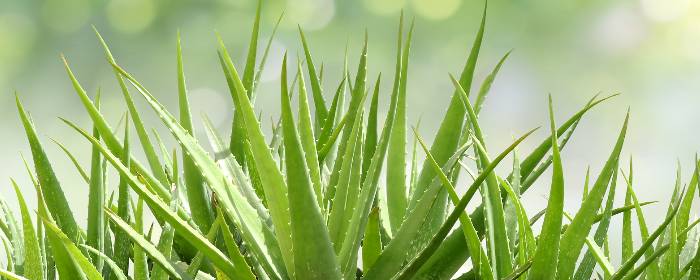
Aloe Vera
Aloe is often the plant that many people reach for to treat burns, as it has both anti-inflammatory and antimicrobial properties. Yet, its anti-inflammatory benefits can be realized by people with arthritis, too. The plant inhibits the production of inflammatory enzymes, which may help to control joint pain.
Borage Oil
The starflower plant contains seeds which are rich in an omega-6 fatty acid known as gamma-linolenic acid (GLA). When metabolized, GLA converts into a signaling molecule which helps regulate inflammatory responses within the body. Certain oils with GLA have been shown to alleviate pain in individuals with rheumatoid arthritis, but borage seed oil is believed to be the most effective because it protects cells from oxidative stress which could be caused by high concentrations of GLA.
While herbal remedies, unfortunately, cannot cure arthritis, they may make a noticeable difference in pain levels, swelling, and stiffness. For individuals who are seeking an alternative to NSAIDs or other drugs, trying plant-based alternatives may be a worthwhile therapeutic option to consider.
by admin | Sep 18, 2019 | Cannabinoid, CBD, Health Awareness
CBD oil has been appearing everywhere we look recently, and its popularity doesn’t seem to be disappearing any time soon. Known officially as cannabidiol, the compound is found in the marijuana plant and has been associated with a broad range of claims to boost health. Indeed, everything from promoting heart wellness to reducing acne has been credited to CBD oil — but is there really any evidence to back up these claims? While further research needs to be done to support many of these positions, one area that shows promise is CBD’s ability to relieve arthritis pain.
Arthritis: Common Yet Challenging
More than 54 million adults have been diagnosed with at least one type of arthritis, but it’s possible that there are many individuals living with the condition. Despite the fact that it’s very common, there is still no cure for arthritis, and it can be notoriously difficult to treat. Although medications are available for controlling symptoms, many have their own host of side effects. And, the pain caused by this joint condition can range from mildly uncomfortable to debilitating.
Where CBD Oil Comes In
CBD oil has the powerful ability to stimulate brain activity by interacting with cannabinoid receptor types 1 and 2, which are involved with the immune system, to decrease the effects of pain and inflammation. Yet, it doesn’t have the same psychoactive effects as marijuana and is thus considered a worthwhile alternative for arthritis patients seeking a natural solution without side effects for managing pain. The World Health Organization reports that CBD exhibits no indication of the potential for abuse or dependence and that there is no evidence of health-related issues resulting from pure CBD. But has it been proven effective for treating arthritis pain?
The research seems to say yes. In a study from the European Journal of Pain, topical CBD oil showed reduced inflammation and pain caused by arthritis. Research has also confirmed that CBD inhibits inflammatory and neuropathic pain, both of which are especially difficult to treat. In individuals with rheumatoid arthritis, controlled trials have shown that cannabis-medications can significantly improve pain, reduce inflammation, and improve quality of sleep.
If you’re experiencing chronic pain from arthritis, CBD could be the key to enjoying more pain-free days. Of course, quality is important to ensure optimal results, please visit our website to see available Charlotte’s Web products.
by admin | Sep 16, 2019 | Health Awareness
In individuals with neurological conditions, the varying nature of symptoms can make it difficult to generalize dietary advice. In Multiple Sclerosis (MS), for example, damage to the myelin sheath can manifest as many different physical and mental symptoms. These symptoms can vary over time and may be different from one person to the next. Nonetheless, there are some healthy eating tips from which both Multiple Sclerosis patients and individuals with other neurological conditions may benefit. Explore some practical strategies for eating well to manage neurological conditions below.
Eat to Energize
All food gives us energy, but wholesome choices are the best choices for keeping energy levels up during the day. Natural foods like fruits, vegetables, and nuts can help to keep fatigue at bay. Additionally, avoiding sugary or particularly heavy foods that cause a crash can also minimize energy loss.
Maintain a Healthy Weight
Neurological disorders are often accompanied by symptoms that make exercise difficult. This can result in weight gain, and to further complicate matters, meal prep and food shopping can further deplete energy. Research suggests that malnutrition isn’t uncommon in people with Multiple Sclerosis, but having healthy, home-cooked meals can ensure you get the nutrients you need while promoting weight management. A plant-based diet, in particular, has been shown to help people with MS lose weight. A dietician can help you come up with healthy options that require minimal prep work, such as vegetarian chili in the slow cooker.
Avoid Known Triggers
Feeling overheated can be an issue for people with Multiple Sclerosis, so avoiding foods that are too hot can help keep this symptom at bay during meals. Likewise, if you begin to feel overheated, a cool healthy treat such as a whole-fruit popsicle could provide relief. Individuals with trigeminal neuralgia, which causes facial pain, may find it easiest to enjoy softer foods, like yogurt and potatoes. Finally, any foods that cause constipation should be limited, as this symptom tends to be common in Multiple Sclerosis.
Get Plenty of Key Nutrients
Researchers are exploring whether certain nutrients could help individuals with neurological conditions. Omega-3 fatty acids, in particular, have been linked with less disability progression and fewer relapses in people with Multiple Sclerosis. While omega-3s can be found in fatty fish such as salmon and mackerel, it can be difficult to take in ample amounts through diet alone. Thus, many patients discuss the option of taking an omega-3 supplement with their doctors.
Vitamin D could also be important for people with Multiple Sclerosis. In particular, MS has been observed as being more common in areas with less sunlight, so researchers believe vitamin D could have protective qualities to help prevent MS. While research is still ongoing to determine whether supplementing vitamin D in patients who already have Multiple Sclerosis could be beneficial, addressing a deficiency could still support your overall health. It’s, therefore, a good idea to have your vitamin D levels checked if you haven’t done so recently.
by admin | Sep 12, 2019 | Health Awareness
In recent decades, our awareness of the potential damage UV rays can do has increased tremendously. The UV radiation is a known carcinogen, as the link between long-term sun exposure and increased skin cancer risk is irrefutable. Yet, the link isn’t as straightforward as we may think, as age and genetic factors are also suspected to play a role in skin cancer risks, in addition to sun exposure.
And, it turns that moderate sun exposure may even have some health benefits. For instance, it helps trigger the production of important hormones, may help reduce the risk of seasonal affective disorder (SAD), and helps the body create vitamin D. Recent research has even shown that it could decrease the risk of inflammatory bowel disease (IBD).
The Sunshine & IBD Link
In a study conducted by The Australian National University, children who spent half an hour outside each day appeared to have a lower risk of IBD. More than 800,000 people have chronic disorders encompassed by IBD, ulcerative colitis and Crohn’s disease. The risk in children who were exposed to sunlight was almost 20% lower than in their peers.
While the half-hour window seems to hold the most promising results, even short periods of sun exposure were linked with a reduced risk of IBD. In fact, the study’s lead professor notes that every 10 minutes of sun exposure resulted in a 6% drop in the child’s risk for developing the condition. This has led the researchers to the conclusion that there is an association between lack of sun exposure and increased IBD risk.
Although experts have already determined that sunlight does play a role in immune system functionality in ways that could lower one’s risk for IBD, the precise mechanisms still have yet to be determined. IBD is becoming more common in children, so this eye-opening discovery could be a worthwhile preventive tactic to explore.
Nonetheless, this doesn’t mean children should forego sunscreen entirely, especially since there’s evidence to suggest that sun exposure during youth could contribute most to skin cancer. Thus, it’s still a good idea for people of all ages to stay protected with an SPF of 15 or higher when spending extended periods of time outdoors.
by admin | Sep 10, 2019
WHAT IS Regenerative Medicine for Transverse Myelitis Regenerative Medicine, also know as Stem Cell Therapy, for Transverse Myelitis is an alternative option to help manage symptoms. Request Information Packet WHAT IS Regenerative Medicine for Transverse Myelitis...




 St. Petersburg, Florida