
Mesenchymal Stem Cell Therapy for Parkinson’s Disease
Parkinson’s disease is a chronic, progressive neurological disorder for which there is no cure. The motor symptoms of Parkinson’s disease include resting tremor, slowness of movement, shuffling gait, and “masked facies” (i.e. muted facial expressions). Over time, patients with Parkinson’s disease may experience cognitive problems such as memory loss, impaired judgment, and poor planning. Later in the illness, these cognitive symptoms may progress to a condition called Parkinson’s dementia. Patients may also develop depression, anxiety, pain syndrome, visual hallucinations, and sleep disturbances. The disease gets progressively worse until patients succumb from complications of the disease after about 10 years on average.
Current treatments for Parkinson’s disease are only able to reduce symptoms—no drug therapy can modify or stop the disease from progressing. Parkinson’s disease is caused by the destruction of brain cells in the substantia nigra; substantia nigra cells provide the neurotransmitter, dopamine, to various locations in the brain. Consequently, most standard treatments are designed to improve dopamine neurotransmissions such as levodopa, dopamine agonists, and MAO B inhibitors. Deep brain stimulation, a procedure in which electrodes are inserted deep within the brain, has helped reduced tremor. There are diet suggestions that may help symptoms or increase appetite.
Ideally, physicians would be able to treat the cause of Parkinson’s disease rather than simply control symptoms. Dr. Salem provides an interesting review of the potential uses of stem cells for Parkinson’s disease. Indeed, he argues that stem cell transplantation has the potential to replenish lost cells in Parkinson’s disease.
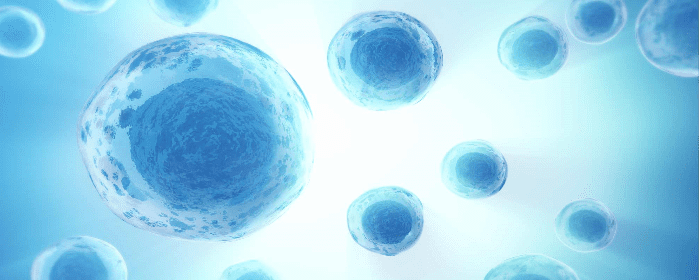
The first step, according to Dr. Salem, is to identify the appropriate type of stem cell for use in Parkinson’s disease. He reviews the main types, namely embryonic stem cells, neural stem cells, induced pluripotent stem cells, and mesenchymal stem cells, discussing their pros and cons. The scientist provides a convincing case for why mesenchymal stem cells may be the best choice. For cell-based therapy, he writes, mesenchymal stem cells have two major effects: a trophic effect and the ability to differentiate into a broad spectrum of cells for the replenishment of lost cells.
Indeed, mesenchymal stem cells can be induced to become functional dopamine neurons, the very cells that are destroyed by Parkinson’s disease. Moreover, when mesenchymal stem cells are placed into the brains of mice or humans with Parkinson’s disease (or, in the case of mice, a model of the disease), most of the stem cells remained in the injection site for at least 10 weeks after transplantation. The stem cells increased neuronal plasticity (neurorescue), cell survival, dopamine levels, and the formation of new neuron progenitor cells (neurogenesis). At the same time, stem cells decreased inflammation, gliosis (a growth of non-neuronal brain cells called glia), and death signaling.
Of course, clinical trials will be needed to continue the study of the safety and efficacy of stem cell transplantation for Parkinson’s disease, but the chance of having a treatment that actually goes to the cause of the disease is an exciting possibility.
Reference: Salem NA (2019) Mesenchymal Stem Cell-Based Therapy for Parkinson’s Disease. Int J Stem Cell Res Ther. 6:062. doi.org/10.23937/2469-570X/1410062.
Medical Ozone Therapy Florida
MEDICAL OZONE THERAPY FLORIDA Looking for an alternative solution to help boost your immune functioning and aid your body in its detoxification process? Stemedix now offers medical ozone therapy! A medical-board certified practitioner will supplement you with a...Intravenous Ozone Therapy Florida
INTRAVENOUS OZONE THERAPY FLORIDA This is an alternative option for individuals seeking to booter their immune system and aid their bodies in the detoxification process. Stemedix offers our patients a supplementary dose of ozone to aid their overall health. ...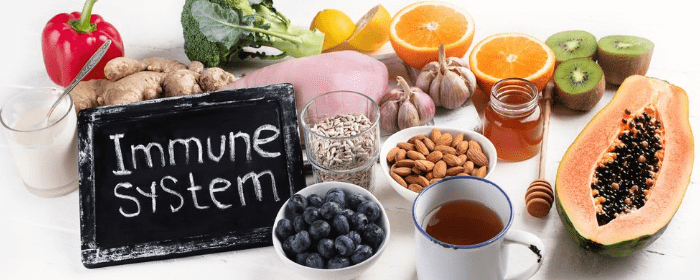
A Guide to Eating for a Healthy Immune System
A healthy diet is important for supporting a high-functioning immune system. Nutrient-rich foods give your body the tools they need to fight infections and reduce the risk of chronic illness. While many fruits, vegetables, healthy fats, and lean proteins are good options to consider, certain choices have more immune-boosting benefits than others. Here are some foods you can incorporate into your diet to help keep illness at bay.
Green Veggies
Broccoli has long been hailed for its health benefits, so it’s no surprise that the cruciferous veggie can also support immunity. It’s rich in immune-boosting micronutrients vitamin C and beta-carotene, but its sulfur compounds could also help to defend against free radicals.
Eggs
In addition to providing protein, eggs are micronutrient powerhouses. They contain vitamins E and D, as well as zinc and selenium, to support immune regulation. Eggs from chickens fed a vegetarian diet may be even higher in beneficial nutrients, such as omega-3s.
Yogurt
Another contender from the dairy category, yogurt has probiotics which support healthy gut flora. Research indicates the health of the gastrointestinal tract is directly tied to immunity. Eating probiotic-rich foods could therefore help to support a healthy microbiome, and thus, a strong immune system.
Chicken Soup
The idea that chicken soup could help to banish illness isn’t just an old wives’ tale. While there’s still debate as to whether or not it delivers any immune protection, it turns out the comfort food is actually rich with anti-inflammatory agents. Garlic, protein, and onions offer a blend of healthy nutrients.
Fish
Certain cold-water fish, including salmon and tuna, are also inflammation fighters. They contain omega-3s, which banish inflammatory agents, thus allowing the immune system to direct its efforts on the harmful pathogens which cause illness.
Lean Beef
While you may already know beef is a great source of protein, the meat also has other noteworthy benefits for promoting immune health. It’s got more than half of your daily recommended intake for key nutrients like selenium, zinc, and vitamin B6. Many people struggle to take in enough of these vitamins, and even minor deficiencies could compromise the immune system’s ability to some degree.
Bell Peppers
Vitamin C is a known immunity booster, which is why citrus fruits are so commonly recommended to fight off colds. Yet, bell peppers are even better sources. A medium red bell pepper has twice the amount of vitamin C as an orange, and it also comes with beta-carotene and vitamin E, which are beneficial antioxidants.
A healthy diet is no substitute for practices like immunizations and getting ample sleep, but it can certainly round out a strong defense against illness. Of course, it can be challenging to get all the key nutrients your body needs every day. If you think you might have a nutritional gap in your diet, talk to a specialist about supplements to help boost your body’s immune system.
 St. Petersburg, Florida