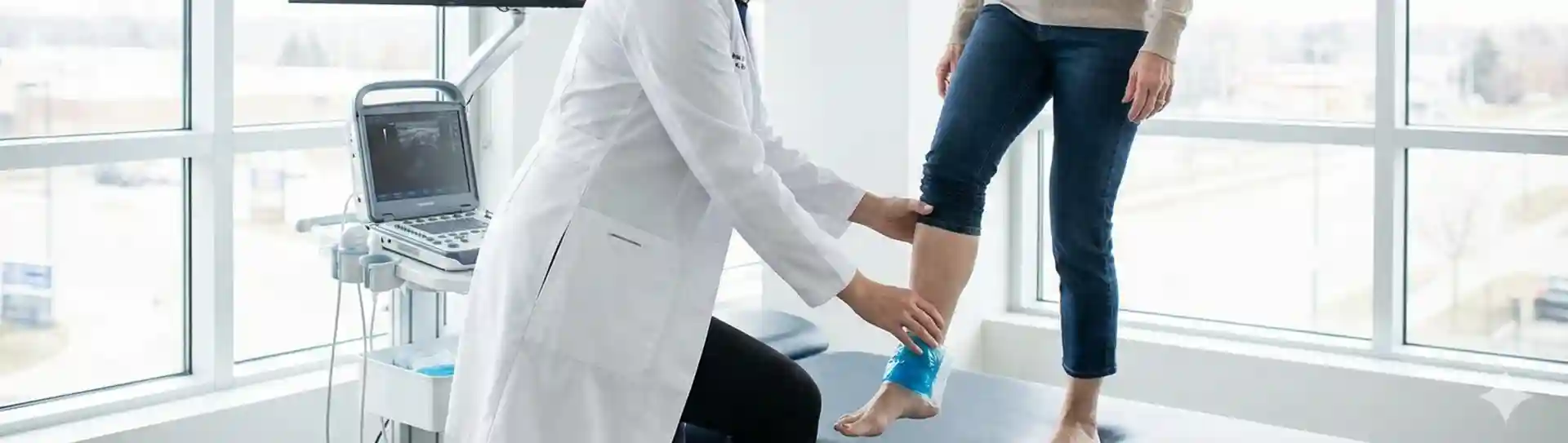
Reflex sympathetic dystrophy (RSD), now more commonly referred to as chronic regional pain syndrome (CRPS), is a rare disorder in which pain, either with or without a stimulus, is far more intense than it should be. In patients with CRPS, a light touch to the skin could cause extreme pain perception. The condition may affect a specific limb after an injury or surgery and may result in limited use. It may also occur after a heart attack or stroke. In addition to increased pain perception, other symptoms of CRPS could include swelling, warmth, and redness.
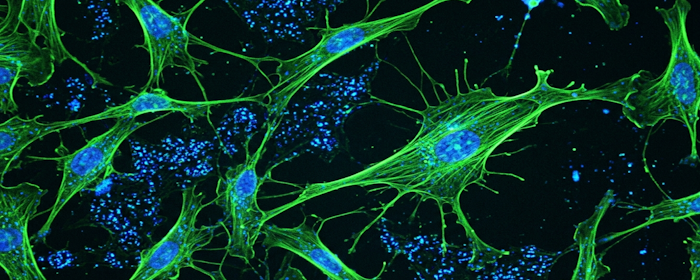
While doctors are unsure of exactly what causes CRPS, experts believe it results from issues within the sympathetic nerve system, which helps to regulate heart rate and blood pressure. Under normal circumstances, the sympathetic nervous system tells the blood vessels to constrict at the site of an injury to minimize blood loss. They open up later to the affected area with blood for tissue repair. With CRPS, the sympathetic nervous system receives mixed signals, which can result in significant pain and swelling.
While there is no cure for CRPS, treatment is available to control symptoms. Medications such as NSAIDs, anesthetic creams, and anti-seizure medications may help. Nerve blocking injections and opioids may also be used to address the pain. Physical therapy can also help patients establish methods for minimizing pain, while psychotherapy can be used to guide patients in developing relaxation methods.