
Blog

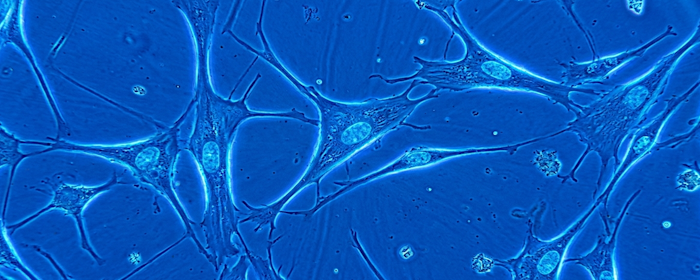
Stem Cell For Parkinsons Disease | Stemedix

Beyond Dopamine: Understanding the Complex Role of Neurotransmitters in Parkinson’s Disease

Most people associate Parkinson's disease with one chemical: dopamine. And while dopamine loss is central to the condition, research shows that this progressive neurological disorder affects multiple neurotransmitter systems throughout the brain. At Stemedix, we work with patients who have already been diagnosed and are seeking a broader understanding of their condition and the options…

Understanding Parkinsons Disease | Stemedix

How Regenerative Therapy May Support Brain Cell Communication in Parkinson’s Disease

Parkinson's disease does not just affect movement. At its core, it disrupts the way brain cells communicate with each other. When the cells responsible for producing dopamine deteriorate, the signals that coordinate movement, mood, and cognitive function begin to break down. For many patients, that breakdown is gradual but progressive. For the nearly one million…

5 Fun Facts About the Regenerative Wellness World

5 Fun Facts About the Regenerative Wellness World

Regenerative wellness may sound futuristic, but many of its core ideas are based on something your body already does every day: repair, adapt, and restore. From cells communicating with each other to the way the body responds to movement, sleep, stress, and nutrition, regenerative wellness focuses on supporting the body’s natural ability to function and…

Umbilical Cord-Derived MSCs and Frailty: Exploring Regenerative Support for Strength, Mobility, and Healthy Aging

Umbilical Cord-Derived MSCs and Frailty: Exploring Regenerative Support for Strength, Mobility, and Healthy Aging

Frailty and the Need for Better Support Frailty is a condition that can develop as people age and become more vulnerable to physical stress. It is often linked with reduced strength, slower walking speed, fatigue, lower activity levels, and decreased resilience. For many older adults, frailty can make everyday tasks more difficult. Walking, standing, exercising,…

MSC-Derived Extracellular Vesicles: Mapping the Future of Cell-Free Regenerative Medicine

MSC-Derived Extracellular Vesicles: Mapping the Future of Cell-Free Regenerative Medicine

A Growing Area of Regenerative Medicine Mesenchymal stem cell-derived extracellular vesicles, often called MSC-EVs, are becoming one of the most exciting areas in regenerative medicine research. These tiny particles are released by mesenchymal stem cells and act like messengers between cells. MSC-EVs can carry proteins, lipids, microRNAs, and other biological signals that may help influence…

How to Support Digestion While Using GLP-1 Medications

How to Support Digestion While Using GLP-1 Medications

GLP-1 medications have become a common tool for supporting weight loss, appetite control, and metabolic health. For many people, they can be helpful, but they may also change how digestion feels. Because these medications can slow digestion and reduce appetite, some people may experience nausea, bloating, constipation, diarrhea, reflux, or feeling full quickly. Not everyone…

Umbilical Cord-Derived MSCs and Ulcerative Colitis: Supporting Immune Balance and Gut Repair

Umbilical Cord-Derived MSCs and Ulcerative Colitis: Supporting Immune Balance and Gut Repair

Understanding Ulcerative Colitis Ulcerative colitis, often called UC, is a chronic inflammatory bowel disease that affects the lining of the colon and rectum. It can cause symptoms such as abdominal discomfort, diarrhea, rectal bleeding, urgency, fatigue, and reduced quality of life. UC is closely connected to immune system imbalance. In people with UC, the immune…

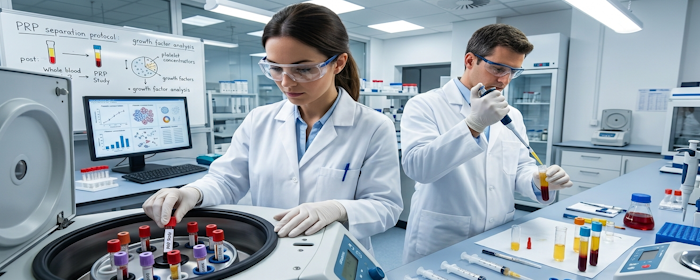
Platelet-Rich Plasma and Tendinopathy: Comparing PRP and Corticosteroid Injections for Pain and Function

Platelet-Rich Plasma and Tendinopathy: Comparing PRP and Corticosteroid Injections for Pain and Function

Understanding Tendinopathy Tendinopathy is a common condition that affects the tendons, which are the strong connective tissues that attach muscles to bones. It often develops from repetitive stress, overuse, or ongoing strain. Common examples include rotator cuff tendinopathy, tennis elbow, plantar fasciitis, and tenosynovitis. People with tendinopathy may experience pain, stiffness, weakness, and difficulty with…

3D illustration of blue stem cells in a transparent sphere with a syringe and DNA helix, titled "Regenerative Cell Therapy for Parkinson's Disease"
Regenerative Cell Therapy for Parkinson's Disease Blog Banner | Stemedix

Enhancing Mobility and Motor Skills After Regenerative Therapy for Parkinson’s Disease

Improving mobility and motor skills after regenerative therapy for Parkinson’s disease often begins with clear education, guided planning, and realistic expectations. At Stemedix, we help you review available options through a structured process designed for patients with an existing diagnosis. Many people seeking support want to better manage movement changes linked to  Parkinson’s disease symptoms…

Umbilical Cord-Derived MSCs and Type 2 Diabetes: Exploring Regenerative Support for Metabolic Health

Umbilical Cord-Derived MSCs and Type 2 Diabetes: Exploring Regenerative Support for Metabolic Health

Why Type 2 Diabetes Is More Than Blood Sugar Type 2 diabetes mellitus, often called T2DM, is a chronic metabolic condition closely linked to insulin resistance. This means the body has trouble using insulin properly, which can lead to elevated blood glucose levels over time. While blood sugar is a major part of diabetes management,…

Load More

Do you have questions?

We have answers. Speak with a Stemedix Care Coordinator today with no obligation. Give us a call!

Contact Us
Subscribe To Our Newsletter

Join our mailing list to receive the latest news and updates from our team.

"*" indicates required fields

This field is for validation purposes and should be left unchanged.