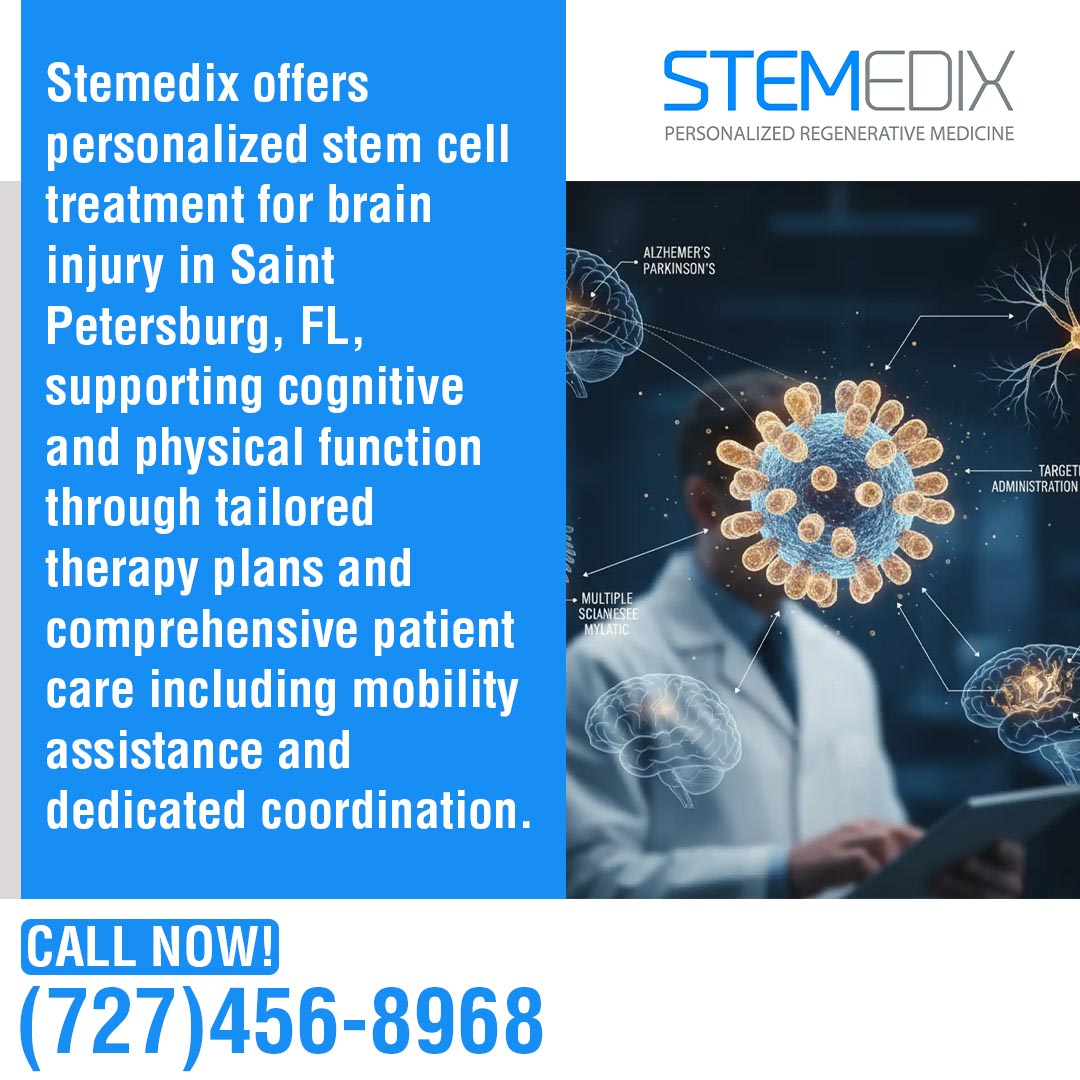
Traumatic brain injury (TBI) can create lasting challenges that affect your daily life, from memory lapses and reduced focus to difficulties with coordination and energy. At Stemedix, we focus on providing support through regenerative approaches that may help address the wide range of symptoms of TBI. Our team works with you to develop personalized therapy plans that target neurological and physical function, aiming to help you regain strength, mobility, and cognitive clarity.
Regenerative treatment for brain injury is designed to support damaged tissue and help the nervous system function more effectively, based on the latest research in regenerative medicine. While each patient’s response varies, our process emphasizes careful review of your existing medical records and tailored treatment strategies. With our team guiding the process, you receive professional support and dedicated care throughout your recovery journey.
Symptoms of TBI and Their Impact on Daily Life
TBI can affect physical, cognitive, and emotional functions. The symptoms of TBI can influence your ability to carry out everyday activities, manage responsibilities, and maintain independence. Each injury is unique, and the way it presents varies from person to person.
Physical Challenges
Patients with TBI often face physical difficulties. You might notice that simple movements feel more tiring or that tasks you once handled easily now require more effort.
Common physical issues include:
- Weakness in limbs, which can make walking or lifting objects harder.
- Reduced coordination, affecting balance and fine motor skills.
- regenerative medicine for chronic pain in muscles or joints, which can interfere with routine tasks.
- Fatigue that limits endurance and overall energy levels.
Cognitive and Sensory Challenges
Cognitive and sensory impairments can limit daily functioning. You may find it harder to focus or remember information, which can affect your work, social interactions, or household tasks.
Typical challenges include:
- Memory lapses that make recalling appointments or instructions difficult.
- Attention deficits that make it harder to concentrate on reading, driving, or multitasking.
- Balance issues that affect walking, standing, or exercise routines.
- Changes in taste, smell, or hearing, which can influence eating habits and safety.
Emotional and Behavioral Challenges
Emotional and behavioral changes are common after TBI. You may experience sudden shifts in mood or find yourself feeling more anxious than before the injury.
Examples include:
- Mood swings that affect relationships and daily interactions.
- Anxiety that can make social situations or new activities stressful.
- Depression that may reduce motivation or interest in previous hobbies.
- Agitation or irritability that can occur unexpectedly.
At Stemedix, we recognize that these symptoms vary widely and affect every individual differently. Our team works to provide support tailored to your needs, helping you address challenges and participate more fully in daily life.
The Potential Impact of Regenerative Therapy on Cognitive Function
Regenerative therapy for TBI may support cognitive recovery. Research has shown that patients receiving this therapy may notice changes in memory, focus, communication skills, and mood. Each person responds differently, and the effects depend on the severity of the injury and individual health factors. The goal of this therapy is to provide support to the damaged areas of the brain and create conditions that allow existing neural pathways to work more effectively.
Cognitive Improvements Observed
Patients may experience measurable cognitive gains. These improvements have been reported in several areas, including:
- Memory support, helping you recall information more clearly.
- Enhanced concentration and focus, allowing better attention to tasks.
- Better social cognition and communication, supporting interactions with family and colleagues.
- Possible mood stabilization, helping reduce anxiety, irritability, or depression.
Mechanisms Supporting Cognitive Recovery
Regenerative therapy may assist cognitive recovery through several mechanisms. These processes help the brain respond to the injury and support its natural repair functions:
- Reducing inflammation in damaged brain tissue, which can protect neurons from further stress.
- Supporting the repair of neuronal connections, helping the brain rebuild communication pathways.
- Protecting remaining brain tissue from further injury, preserving areas that are still functional.
Our team reviews your records carefully and develops a therapy plan that addresses your unique situation, guiding you through each step of the process.
Enhancing Physical Function Through Regenerative Therapy
Physical abilities can be affected for months or even years after a traumatic brain injury. Regenerative treatment for brain injury may improve motor and sensory functions. Research and clinical observations suggest that patients can experience measurable improvements in balance, coordination, and overall energy, which can help them regain independence in daily tasks.
Physical Benefits Documented in Studies
Patients may notice improvements in physical abilities. These improvements often appear gradually as the body responds to therapy.
Common changes reported include:
- Improved motor performance and coordination, allowing more controlled and precise movements.
- Enhanced balance and sensation, which can reduce the risk of falls and increase mobility.
- Increased energy and stamina, supporting longer periods of activity and daily engagement.
- Reduction in chronic pain, making everyday tasks less taxing and more manageable.
How Regenerative Therapy Supports Physical Recovery
Regenerative therapy supports physical recovery by promoting neural and tissue repair and creating an environment that supports healing in damaged areas while working alongside the body’s natural repair mechanisms.
- Stimulating tissue regeneration, which can help restore function in affected areas.
- Supporting neural pathway restoration, aiding communication between the brain and muscles.
- Complementing rehabilitation strategies where applicable, so physical therapy or guided exercises can produce better results.
We develop personalized plans to help you pursue these potential improvements while coordinating care and support throughout the process.
Stemedix Approach to Personalized TBI Recovery
Recovering from a traumatic brain injury can feel overwhelming, and every patient’s needs are different. Stemedix provides individualized care for patients seeking regenerative therapy in Saint Petersburg, FL. The approach focuses on symptom management and patient support rather than diagnosis or primary care.
Patient Screening and Record Review
Treatment plans are based on existing medical records. You start by sharing your recent MRI scans, lab results, or other relevant documents. If some records are older or incomplete, our team can help gather updated information once you sign a medical release form. This step allows us to get a clear picture of your condition and design a therapy plan that reflects your current needs.
Customized Treatment Plans
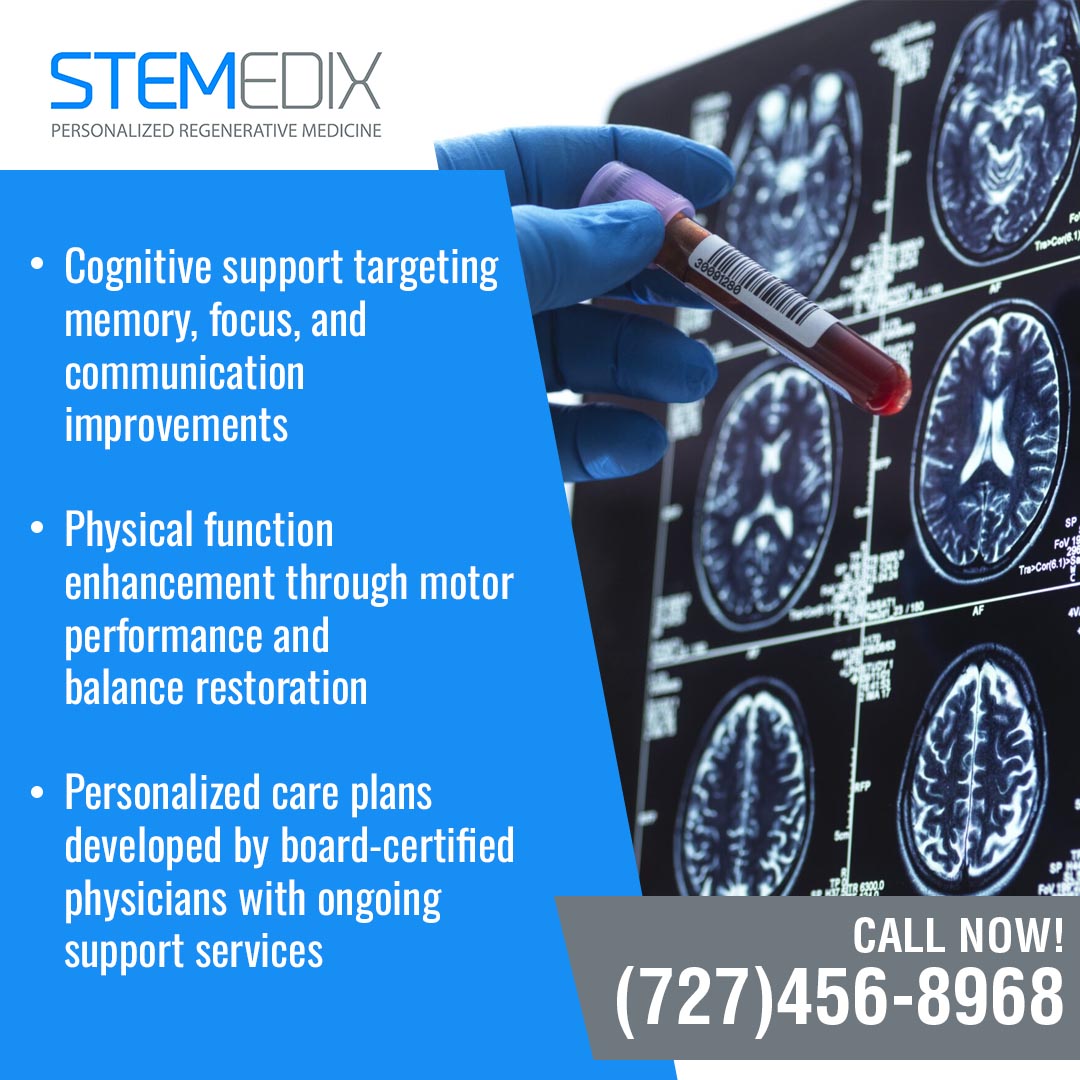
Each patient receives a personalized therapy plan. Board-certified physicians review your records carefully and create a strategy that addresses your unique condition and goals. Your plan focuses on supporting neurological and physical function, with therapies tailored to how your body responds to treatment. This personalized approach helps us focus on the areas that may benefit most from regenerative therapy.
Supportive Services for Patients
Patients are supported throughout their therapy journey. We provide practical assistance to help you navigate your treatment with less stress.
Services may include:
- Transportation for appointments and airport transfers.
- Mobility aids, such as wheelchairs, walkers, and shower chairs.
- Guidance and assistance from dedicated Care Coordinators.
At Stemedix, the goal is to provide care that adapts to your individual needs. We work closely with you throughout the process, offering support, guidance, and access to the services you may need to complete your therapy comfortably.
Setting Realistic Expectations
Regenerative therapy for TBI is designed to support recovery rather than act as a cure. It is important to approach therapy with realistic expectations about what the treatment can provide. You may notice improvements in memory, focus, energy, or coordination, but the extent and speed of progress can differ from one person to another. Each patient responds in a unique way based on the severity of their injury and individual health factors.
Regenerative treatment for brain injury is experimental and symptom-focused. Patient outcomes vary, and therapy does not provide a cure. It is intended to support recovery and assist with the management of cognitive and physical impairments. Some patients experience gradual changes over weeks, while others may see improvements in specific functions without broader effects. Therapy works alongside your own health efforts, and your commitment to follow the personalized plan can influence how much you benefit.
Important Patient Considerations
Patients should understand key considerations before therapy. Before starting, you should know that:
- Stemedix does not diagnose conditions; only previously diagnosed TBI cases are treated. You will need to provide confirmation of your diagnosis before any therapy plan can begin.
- Existing records are required, and updated tests may be ordered if older than current standards. Your medical history, imaging, and lab work help guide the therapy and may need to be refreshed for accuracy.
- Results depend on patient-specific factors and adherence to therapy plans. Your response to treatment can vary, and following the plan created for you supports better outcomes.
We focus on creating a personalized approach that aligns with your condition and recovery goals, providing support and guidance throughout the process without acting as a primary diagnostic or treatment provider.
Take the Next Step in Your TBI Recovery
If you are exploring options for managing the effects of traumatic brain injury, you can reach out to Stemedix to learn more about personalized regenerative treatment for brain injury. Our Care Coordinators can guide you through the process, answer questions, and help gather any required medical records to create a therapy plan tailored to your situation.
Contact us today at (727) 456-8968 or email yourjourney@stemedix.com to request an information packet and begin exploring potential supportive therapies for your recovery.
Related Treatment Pages