Literature Review: Allogeneic and Autologous MSCs in Cartilage, Disc, and Tendon Research
Compare autologous and donor-derived MSC research for cartilage, discs and tendons, including clinical findings, safety and evidence limitations.


Regenerative Medicine for Osteoarthritis is an alternative option to help manage the symptoms and pain.
Discover our wide range of treatments by calling us at (800) 531-0831
Content Review: Michael Healey, M.Ed., C.A.S. Last Updated: September 2026
Osteoarthritis, or OA, is the most common form of arthritis. It is a joint condition involving cartilage, bone, the joint lining, muscles, and other tissues around a joint. It commonly affects the knees, hips, hands, and spine. OA can cause pain, stiffness, swelling, reduced range of motion, and difficulty with daily activities. Symptoms often develop gradually and vary from person to person.
Common Symptoms and Risk Factors
Risk factors can include aging, previous joint injury, repetitive stress, excess body weight, and family history. Not everyone with these risk factors develops OA, and symptoms do not always match imaging findings.
There is no single treatment that reverses osteoarthritis. Care is based on the joint involved, symptom severity, activity level, medical history, and personal goals. Many people benefit from a combination of nonsurgical treatments.
Standard Treatment Categories
Stem cell therapy for osteoarthritis and platelet-rich plasma (PRP) therapy are being studied because injectable biologic approaches may influence inflammation and the environment within painful joints. Researchers are evaluating different cell sources, preparation methods, doses, injection techniques, and patient populations.
What Researchers Are Studying
PRP, cell-based products, and exosome products are distinct approaches. Research results can vary by product, treatment protocol, osteoarthritis severity, and the outcomes measured.
Note: Regenerative therapies for osteoarthritis are not FDA-approved and are investigational. Research findings do not guarantee individual results.
How Regenerative Medicine for Osteoarthritis Is Being Studied
Cell-based approaches, including mesenchymal stromal cell therapies, are being studied for possible effects on inflammation and the joint environment. PRP is made from a person’s own blood and contains platelets and signaling proteins, and is also being studied as an injectable option for osteoarthritis-related pain. Researchers assess pain, function, mobility, imaging findings, and safety using different products, doses, delivery methods, and treatment combinations. This work is helping guide continued research on stem cell treatment for OA and other regenerative medicine approaches.
2025: Umbilical Cord MSC-Derived Exosomes Reported Safety Findings in Knee OA Research
Injection of Human Umbilical Cord Mesenchymal Stem Cell Exosomes for the Treatment of Knee Osteoarthritis: From Preclinical to Clinical Research — Read Study
This publication included laboratory and animal research, as well as a clinical component described by the authors as a randomized, double-blind, ascending-dose study. The clinical study screened 84 people with knee osteoarthritis. The publication reported safety and clinical findings that add to research on umbilical-cord-MSC-derived exosomes for knee osteoarthritis.
2025: Cryopreserved Umbilical Cord MSCs Reported Better One-Year Symptom Scores Than Corticosteroid
Efficacy of a Single Dose of Cryopreserved Human Umbilical Cord Mesenchymal Stromal Cells for the Treatment of Knee Osteoarthritis: A Randomized, Controlled, Double-Blind Pilot Study — Read Study
This randomized, double-blind pilot study enrolled 30 people with Kellgren-Lawrence grade II or III knee osteoarthritis. Participants received a single injection of cryopreserved umbilical-cord-derived mesenchymal stromal cells or triamcinolone, a corticosteroid. At 12 months, the cell-treatment group had better WOMAC, pain, and SF-36 scores than the triamcinolone group, and no severe adverse events were reported. These findings add to clinical research on cryopreserved umbilical-cord-MSC treatment for knee osteoarthritis.
2024: UC-MSC Combination Treatment Reported Pain and Function Improvements
Evaluating Synergistic Effects of Hyaluronic Acid, Human Umbilical Cord-Derived Mesenchymal Stem Cells, and Growth Hormones in Knee Osteoarthritis: A Multi-Arm Randomized Trial — Read Study
This four-arm, double-blind randomized trial evaluated 51 knees from 28 people with Kellgren-Lawrence grade I or II knee osteoarthritis, comparing hyaluronic acid alone, hyaluronic acid with human umbilical-cord-derived MSCs, hyaluronic acid with somatotropin, and all three treatments together. Participants reported improvements in pain and function measures at 12 months, adding clinical information on combination approaches involving hyaluronic acid, UC-MSCs, and growth hormone for knee osteoarthritis.
2023: Repeated Umbilical Cord MSC Injections Reported Pain and Function Improvements
Repeated Intra-Articular Injections of Umbilical Cord-Derived Mesenchymal Stem Cells for Knee Osteoarthritis: A Phase I, Single-Arm Study — Read Study
This phase I study followed 14 people with mild-to-moderate knee osteoarthritis who received four weekly intra-articular umbilical-cord-derived MSC injections. Pain and function scores improved over three months, and the investigators reported mostly transient, nonserious adverse events. These findings contribute early clinical information on repeated UC-MSC injections for knee osteoarthritis.
2022: PRP Reported Better Function and Disability Outcomes Than Hyaluronic Acid for Hip OA
Comparison Between the Effects of Ultrasound-Guided Intra-Articular Injections of Platelet-Rich Plasma, High-Molecular-Weight Hyaluronic Acid, and Their Combination in Hip Osteoarthritis: A Randomized Clinical Trial — Read Study
This randomized trial included 105 people with grade II or III hip osteoarthritis. Participants received two injections of PRP, high-molecular-weight hyaluronic acid, or both treatments together. All three groups improved from baseline. At six months, the PRP and PRP-plus-hyaluronic-acid groups had better results than hyaluronic acid alone on selected function and disability measures. These findings add to research on PRP as a potential option for hip osteoarthritis.
For people with persistent osteoarthritis symptoms, stem cell therapy for osteoarthritis and other regenerative medicine options may be topics to discuss with a healthcare provider. A consultation can help review your diagnosis, imaging, symptoms, current treatment plan, and goals. You may also wish to learn more about regenerative medicine for musculoskeletal injuries, since the evidence for a particular approach may differ by joint, injury, and diagnosis.
At Stemedix, we take a patient-centered approach to regenerative medicine, informed by emerging clinical research. Our team reviews your medical history, current treatment plan, and goals to help determine whether an investigational regenerative approach may be appropriate to explore.
This page is for educational purposes only and does not constitute medical advice.
Stem cell, exosome, PRP, and other regenerative medicine therapies for osteoarthritis are investigational and are not FDA-approved for this use. Research findings do not guarantee individual results.
Always consult a qualified healthcare professional before making treatment decisions.
U.S. Food and Drug Administration. Important Patient and Consumer Information About Regenerative Medicine Therapies. FDA
Speak with a Care Coordinator today for a more accurate assessment of your condition and therapy options.
Please see the comments and personal video testimonies on our website to see our patients’ experience and their personal journey to wellness with Stemedix.

Our Board-Certified Physicians specialize in regenerative medicine. They stay abreast of the latest developments in stem cell research. Each patient is screened and reviewed before being approved for therapy.

Each patient is thoroughly reviewed to ensure their safety for treatment. The physicians will then determine potential benefit candidacy. If approved, a customized treatment plan is offered for the patient.

Stemedix can help coordinate patients with necessary wheelchair transportation, medical equipment, and Care Giving services as needed during their stay. Your Care Coordinator is available for questions and assistance.

Compare autologous and donor-derived MSC research for cartilage, discs and tendons, including clinical findings, safety and evidence limitations.
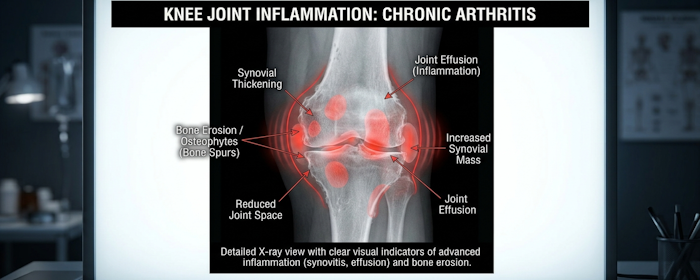
Looking Beyond Everyday Knee Pain Knee osteoarthritis can turn simple activities like walking, climbing stairs, or getting out of a chair into uncomfortable tasks. While cartilage changes are part of the condition, inflammation inside the joint can also play an important role in pain and stiffness. A recent randomized clinical trial explored whether umbilical cord-derived…

When Knee Pain Starts Getting in the Way Knee osteoarthritis can make simple things feel a lot harder than they should. Walking upstairs, exercising, standing for long periods, or even getting up from a chair can become uncomfortable as the joint gets stiffer and more painful over time. That’s why researchers continue to look for…
Contact us today and let Stemedix provide a professional service accompanied by one of our Care Coordinators to ensure you have the best experience possible!