
Platelet-Rich Plasma (PRP) therapy uses growth factors from a patient’s own blood to target inflammation and support tissue repair, which may help with fibromyalgia-related pain and fatigue. Research on long-term outcomes is still developing, and results vary by patient. At Stemedix, we design personalized regenerative medicine plans based on each patient’s diagnosis, since fibromyalgia symptoms differ widely from person to person.

How Many People Live With Fibromyalgia?
Millions of people in the United States live with fibromyalgia, according to the Centers for Disease Control and Prevention. The condition causes widespread pain, fatigue, sleep disruption, and cognitive difficulty, and is more common in women aged 30 to 50. Because symptoms vary so much between patients, pain management plans often need to be built around the individual rather than a single standard approach.
What Does PRP Therapy Involve?
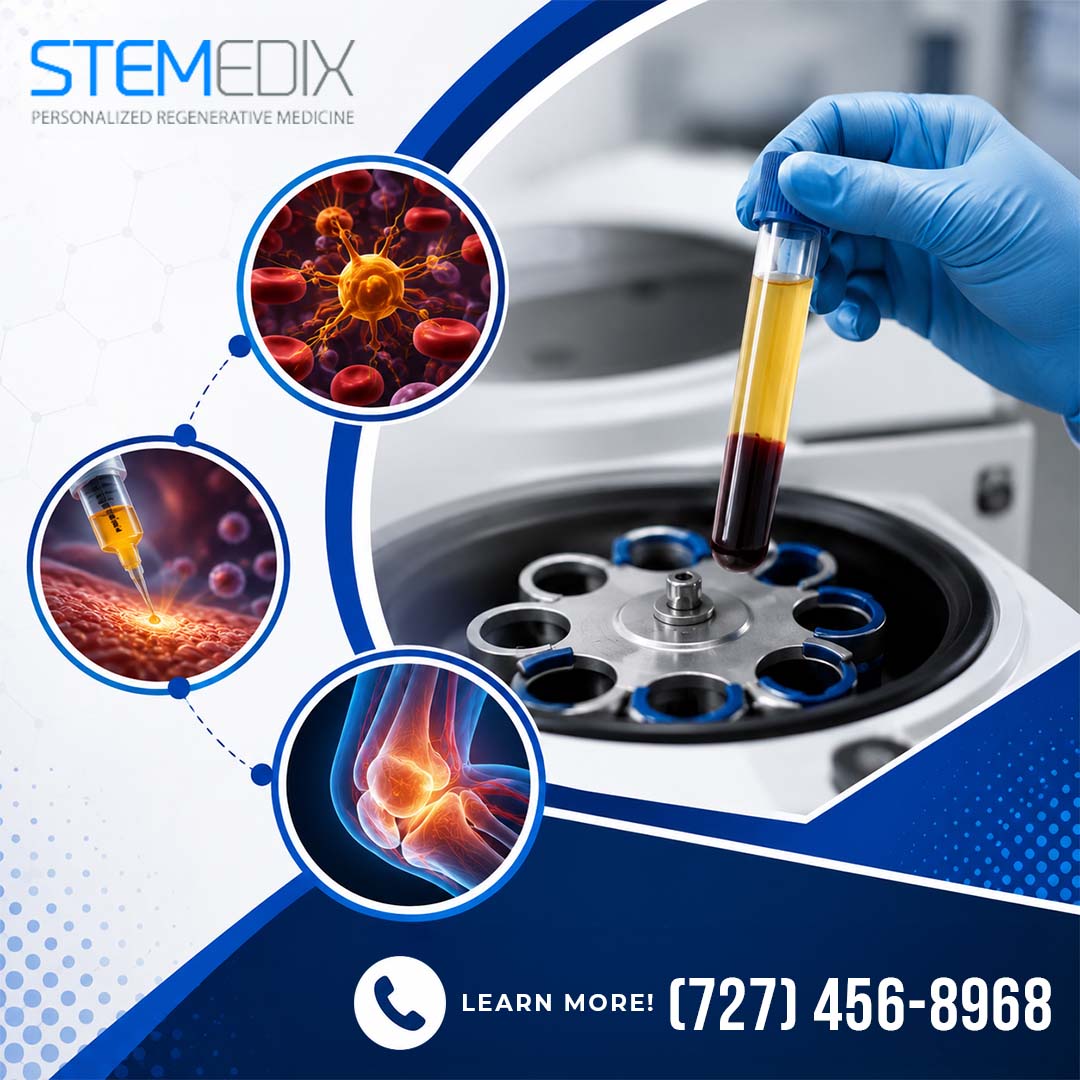
PRP therapy uses a concentrated sample of a patient’s own platelets, drawn from their blood and reinjected into targeted areas. Platelets contain growth factors involved in tissue repair and inflammation control. In fibromyalgia, PRP is typically used to address localized muscle and connective tissue pain rather than the condition as a whole.
Is There Research Behind PRP for Long-Term Symptom Relief?
Research on PRP for chronic pain conditions is ongoing. A systematic review and meta-analysis published in PMC examined PRP across a range of chronic noncancer pain conditions and found outcomes varied depending on the comparison group and condition studied. For fibromyalgia specifically, research remains limited, and long-term outcomes have not been established the way they have for conditions like knee osteoarthritis.
This means PRP should be viewed as one option within a broader, personalized pain management plan rather than a standalone solution with guaranteed long-term results.
How Does Regenerative Pain Management Fit Into Fibromyalgia Care?
| Factor | What It Means for Fibromyalgia Patients |
| Symptom Variability | Plans are built around each patient’s specific pain pattern |
| Existing Diagnosis | Stemedix works from a diagnosis already made by a physician |
| Treatment Combination | Regenerative options may be paired with other physician-directed care |
| Ongoing Monitoring | Follow-up helps track changes in pain and function over time |
At Stemedix, our team reviews a patient’s existing records, including bloodwork and prior diagnosis, before recommending regenerative pain management options. We do not diagnose fibromyalgia or order initial imaging. Patients come to us with a diagnosis already established by their physician.
Common questions patients bring to their first consultation:
- Which symptoms are most affecting daily life?
- What prior treatments have been tried?
- Are records recent enough to use?
- What outcomes are realistic based on their history?
Frequently Asked Questions
- Is PRP therapy the same as stem cell therapy?
No. PRP uses a patient’s own platelets, while stem cell therapy uses different cell types. Stemedix offers both, selected based on the patient’s condition.
- How many PRP sessions are typically needed?
This depends on the individual’s symptoms and history. A provider determines this after reviewing patient records.
- Can PRP be combined with other fibromyalgia treatments?
This should be discussed with a physician, since it depends on current medications and overall treatment plan.
Ready to Discuss Your Options?
If fibromyalgia symptoms have been difficult to manage, pain management in Saint Petersburg, FL, through personalized regenerative medicine may be worth exploring with your care team. Contact Stemedix at (727) 456-8968 or email yourjourney@stemedix.com to learn more about our approach to fibromyalgia-related regenerative pain management.
Related Treatment Pages