Traumatic Brain Injury

Regenerative medicine for traumatic brain injury at Stemedix

Regenerative Medicine for Traumatic Brain Injury

For those seeking to potentially manage symptoms and slow the progression of this condition. Regenerative Medicine Traumatic Brain Injury is a natural alternative option.

Contact a Care Coordinator

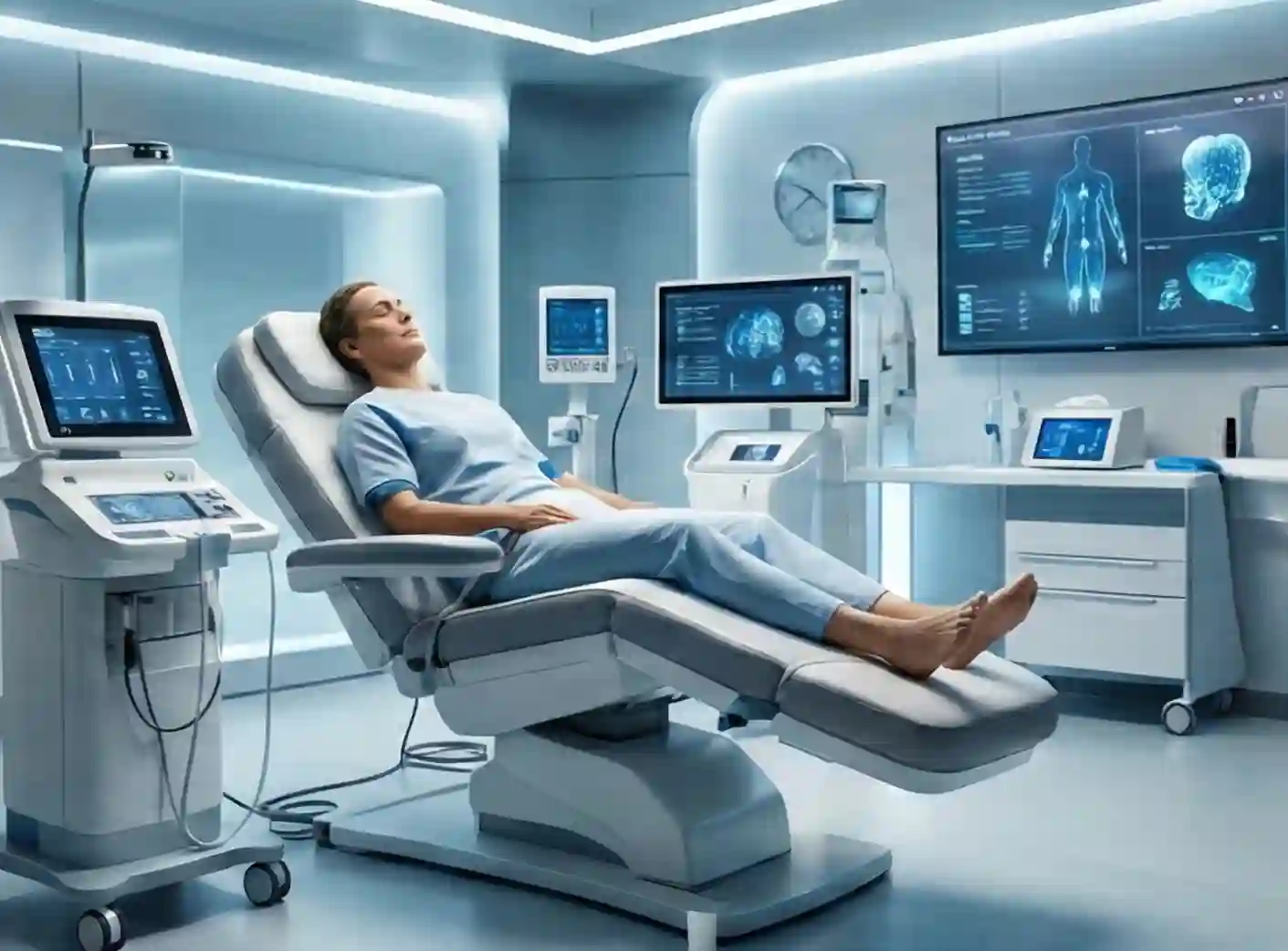
Regenerative Medicine for Traumatic Brain Injury – Discover a new alternative way to help manage symptoms.

With Regenerative Medicine for traumatic brain injury, there is hope for an improved quality of life. Although there is no cure, this therapy has the potential to help manage symptoms of Traumatic Brain Injury.

Alternative regenerative treatments for traumatic brain injury at Stemedix

Studies have shown potential improvements such as:

  • Improved Stamina & Mood
  • Improved Appetite
  • Improved Muscle Functions
  • Sleep Pattern Improvement
  • Decreased Chronic Pain
  • Improved Cognitive Function
  • Increased energy
SCHEDULE A CONSULTATION

Discover our wide range of treatments by calling us at (800) 531-0831

Post Stroke Syndrome | Stemedix

Traumatic Brain Injury

A Traumatic Brain Injury (TBI) is a disruption to normal brain function caused by a blow, jolt, or other force to the head. Sometimes referred to as craniocerebral trauma, this type of brain dysfunction can also be caused by a sharp object which penetrates the brain tissue, such as a bullet or shrapnel.
TBI is a complex injury with a broad range of potential symptoms and long-term complications. While mild brain injuries may only affect the brain cells temporarily, more serious TBI can result in torn tissue, bleeding, and other physical brain damage. The most severe cases can lead to permanent brain damage or death.
Millions of individuals experience brain injuries every year, with more than half of the cases warranting hospital treatment. Half of all TBIs are caused by motor vehicle accidents, but military personnel in combat zones are also at risk.

Because the brain dictates so many aspects of life, a Traumatic Brain Injury can result in a broad range of symptoms. No two brain injuries are alike, and symptoms may appear immediately or within the days and weeks afterward. While physical symptoms such as slurred speech, weakness in the arms and legs, serious headache, repeated vomiting or nausea, and others may occur, sensory and cognitive symptoms, as well as personality changes, may also develop. Mood changes, feelings of depression and anxiousness, agitation, light sensitivity, and changes in hearing, taste, or smell can arise. Symptoms and their severity can vary from one patient to the next and may differ depending on whether the injury is mild, moderate, or severe.

Today’s Treatment

Traumatic Brain Injuries do not heal in the same way other injuries do. Recovery is a functional process and typically necessitates rehabilitation. Typically, TBIs require emergency care encompassing a neurological exam and imaging tests to quickly assess the impact of the injury. While mild TBI, or concussion, typically requires close monitoring and rest, moderate to severe TBI may require emergency surgery and medications to limit secondary brain damage. Post-injury care may also comprise rehabilitation services such as physical therapy, speech and language psychology, and psychological services.

Current treatment options for traumatic brain injury at Stemedix

Regenerative Medicine Therapy

When a brain injury occurs, the trauma prompts the immune system to send cells to the injured area. This results in swelling, which can cause significant tissue damage and the death of brain cells, or neurons. Regenerative Medicine traumatic brain injury has been studied to help restore functions that are lost as a result of TBI.

Regenerative Medicine is still considered an experimental procedure and not approved by the FDA. Patients must consider realistic expectations in their research and possible therapy options.

Speak with a Care Coordinator today for a more accurate assessment of your condition and therapy options.

Speak with a Care Coordinator

Patient Testimonials

Please see the comments and personal video testimonies on our website to see our patients’ experience and their personal journey to wellness with Stemedix.

How Stemedix Helps You Heal

Professional Medical Care

Heal Box | Stemedix
Heal Box | Stemedix

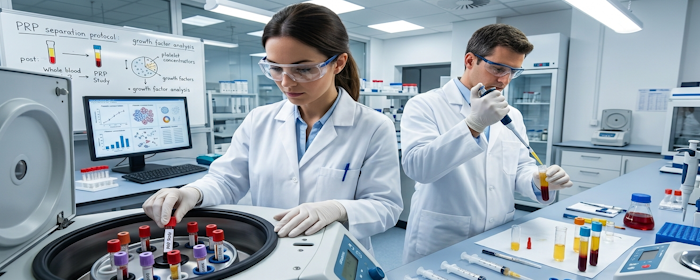
Our Board-Certified Physicians specialize in regenerative medicine. They stay abreast of the latest developments in stem cell research. Each patient is screened and reviewed before being approved for therapy.

Advanced Therapy

Advanced Therapy Multiple Sclerosis | Stemedix

Each patient is thoroughly reviewed to ensure their safety for treatment. The physicians will then determine potential benefit candidacy. If approved, a customized treatment plan is offered for the patient.

Specialized Care

Specialized Care Multiple Sclerosis | Stemedix

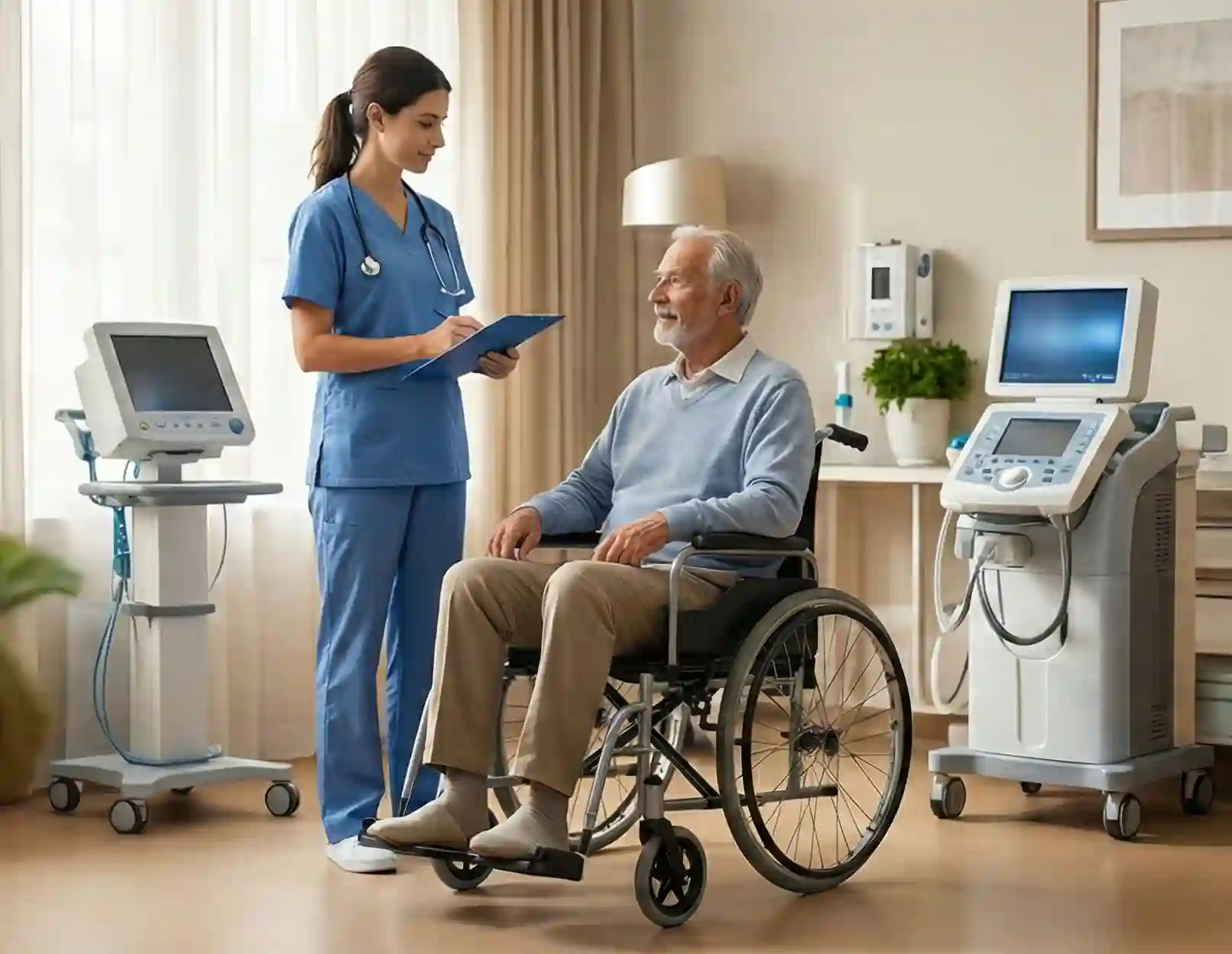
Stemedix can help coordinate patients with necessary wheelchair transportation, medical equipment, and Care Giving services as needed during their stay. Your Care Coordinator is available for questions and assistance.

Latest Articles on Stem Cell Therapy for Traumatic Brain Injury & Health Awareness

3D illustration of blue stem cells in a transparent sphere with a syringe and DNA helix, titled "Regenerative Cell Therapy for Parkinson's Disease"
Regenerative Cell Therapy for Parkinson's Disease Blog Banner | Stemedix

Enhancing Mobility and Motor Skills After Regenerative Therapy for Parkinson’s Disease

Improving mobility and motor skills after regenerative therapy for Parkinson’s disease often begins with clear education, guided planning, and realistic expectations. At Stemedix, we help you review available options through a structured process designed for patients with an existing diagnosis. Many people seeking support want to better manage movement changes linked to  Parkinson’s disease symptoms…

Scientist viewing fluorescent microscopy images of cells with red-stained cytoskeletons and blue nuclei on a computer monitor
Researcher Analyzing Fluorescent Cell Microscopy on Computer Screen | Stemedix

The Science of Dopamine Restoration Through Regenerative Therapy

Dopamine supports movement, focus, and motivation by enabling communication between nerve cells in the brain. Changes in dopamine activity are linked with several neurological conditions that affect daily function and quality of life. Regenerative therapy is being explored in clinical research as a way to support the biological environment connected to these pathways. In regenerative…

Medical illustration of human body highlighting brain and nervous system affected by Parkinson’s disease
Parkinson’s Disease Nervous System Impact | Stemedix

Understanding the Cellular Changes in Parkinson’s Disease and the Potential of Regenerative Therapy

Parkinson’s disease affects movement by changing how brain cells communicate, especially those responsible for dopamine production. At Stemedix, we work with individuals and families to help them understand these changes through structured clinical review and education. These cellular changes often lead to symptoms such as tremors, stiffness, and slowed movement. Regenerative therapy for Parkinson’s disease…

Read all blogs

Forward-Thinking Medicine for Traumatic Brain Injury

Contact us today and let Stemedix provide a professional service accompanied by one of our Care Coordinators to ensure you have the best experience possible!

Contact a Care Coordinator
Subscribe To Our Newsletter

Join our mailing list to receive the latest news and updates from our team.

"*" indicates required fields

This field is for validation purposes and should be left unchanged.
Quick Summary

Stem Cell Therapy for Traumatic Brain Injury — At a Glance