Regenerative Therapies for Lumbar Degenerative Disc Disease
A review of cell therapies, PRP and biomaterials for lumbar disc degeneration, with clinical findings, safety considerations and research limitations.

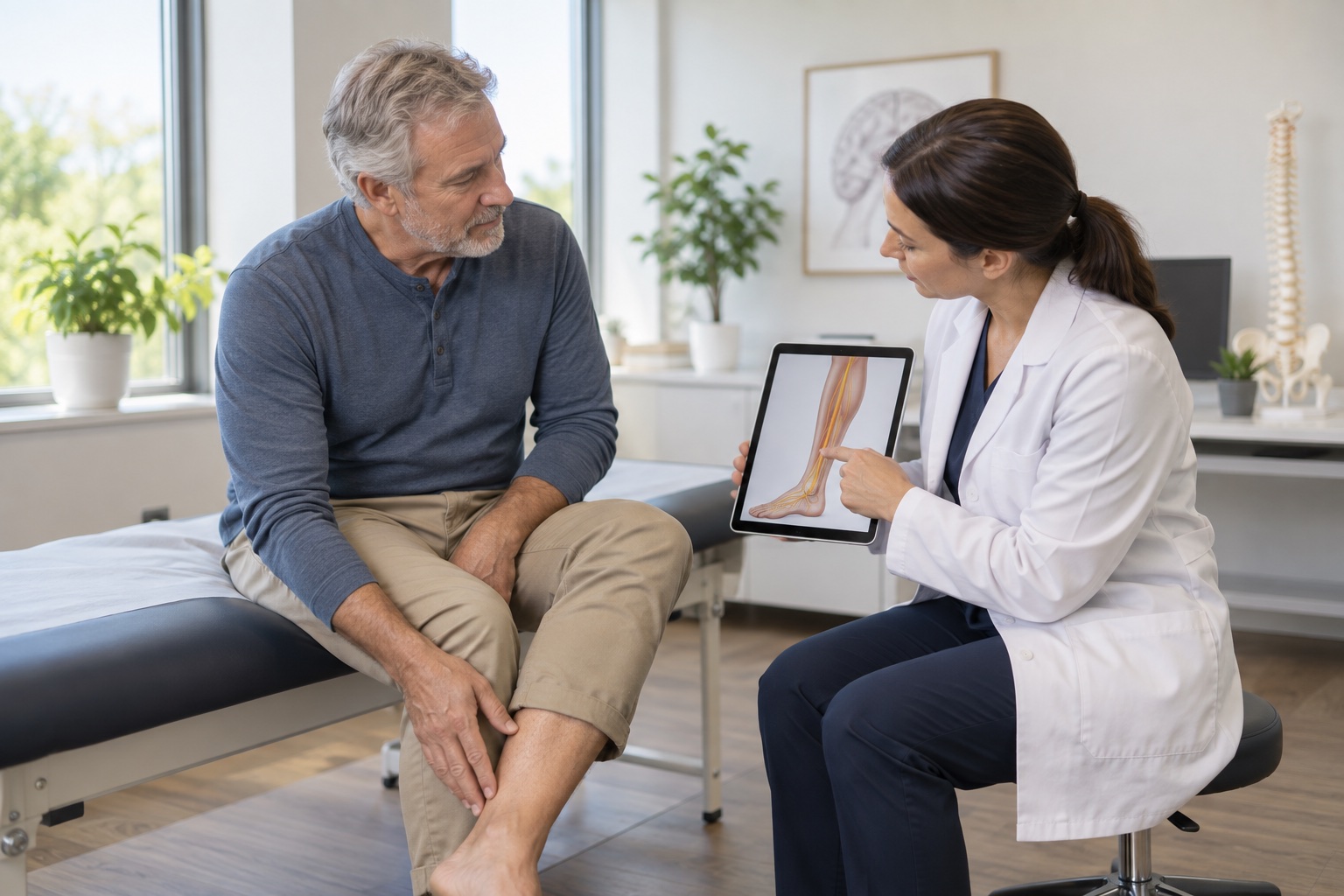
Explore regenerative medicine research and evidence-based care options for peripheral neuropathy.
Content Review: Michael Healey, M.Ed., C.A.S. Last Updated: September 2026
Peripheral neuropathy is damage or dysfunction of nerves outside the brain and spinal cord. These nerves carry information between the brain, spinal cord, muscles, skin, and internal organs. Symptoms depend on which nerves are affected. Some people mainly experience pain or altered sensation, while others develop weakness, balance problems, or changes in blood pressure, digestion, or sweating.
Common Symptoms
Seek prompt medical care for rapidly progressing weakness, trouble walking, new bowel or bladder changes, severe pain after an injury, or a new foot wound, infection, or skin-color change.
Finding the cause of neuropathy is an important part of care. Diabetes is a common cause, but peripheral neuropathy can also be related to vitamin deficiencies, alcohol exposure, medications such as certain chemotherapy drugs, autoimmune conditions, kidney disease, infection, inherited conditions, and nerve compression. Treatment focuses on addressing the cause when possible, reducing symptoms, preventing falls and injuries, and protecting foot health.
Standard Treatment Categories
Stem cell therapy for peripheral neuropathy is being studied because cell-based approaches may influence inflammation, blood flow, and the environment around injured peripheral nerves. Human research has focused primarily on diabetic peripheral neuropathy.
What Researchers Are Studying
Peripheral neuropathy includes conditions with different causes, including diabetic neuropathy, chemotherapy-related neuropathy, nerve compression, autoimmune neuropathy, and inherited neuropathies. Researchers are studying how different cell products and treatment approaches may apply to these conditions.
Note: Stem cell therapies for peripheral neuropathy are not FDA-approved and are investigational. Research findings do not guarantee individual results.
How Stem Cell Therapy for Neuropathy Is Being Studied
Most clinical research has evaluated cell-based treatments in people with diabetic peripheral neuropathy. Studies use different cell products, preparation methods, doses, delivery routes, background diabetes treatment plans, and outcome measures. Researchers may assess pain, sensation, nerve-conduction testing, blood flow, ulcer healing, or quality of life. This work is helping identify the approaches and patient groups that warrant continued clinical study. Stem cell treatment for neuropathy remains investigational.
2024: Systematic Review Reported Improvements in Nerve Function and Clinical Scores
Human Studies of the Efficacy and Safety of Stem Cells in the Treatment of Diabetic Peripheral Neuropathy: A Systematic Review and Meta-Analysis — Read Study
This systematic review and meta-analysis included seven controlled human studies of stem cell therapy for diabetic peripheral neuropathy. The pooled analysis found statistically significant improvements in motor and sensory nerve-conduction velocity, vibration-perception threshold, and Toronto Clinical Scoring System scores. Sensitivity and subgroup analyses also supported these findings. These results add to the growing clinical research on cell-based approaches for diabetic peripheral neuropathy.
2014: Clinical Trial Registry: MSC Study for Diabetic Peripheral Neuropathy
Effect of Mesenchymal Stem Cells in Diabetic Peripheral Neuropathy — Read Study
This ClinicalTrials.gov record describes a 10-participant, single-group study of mesenchymal stromal cell treatment for diabetic peripheral neuropathy. The study planned to assess pain, sensory loss, nerve conduction, and selected laboratory measures. The record adds to the body of registered clinical research on MSC-based approaches for diabetic peripheral neuropathy.
For people with persistent nerve pain, numbness, or balance concerns, stem cell therapy for nerve damage and other regenerative medicine approaches may be topics to discuss with a healthcare provider. A consultation can help review the likely cause of neuropathy, relevant laboratory testing, medications, foot-health risks, current treatment response, and goals. It can also clarify whether the evidence for a specific investigational approach applies to the type of neuropathy being considered.
At Stemedix, we specialize in evidence-informed regenerative therapies designed to restore nerve health and improve quality of life. Each plan is personalized to your condition, goals, and medical background.
This page is for educational purposes only and does not constitute medical advice.
Stem cell and regenerative medicine therapies for peripheral neuropathy are investigational and are not FDA-approved for this use. Research findings do not guarantee individual results.
Always consult a qualified healthcare professional before making treatment decisions.
U.S. Food and Drug Administration. Important Patient and Consumer Information About Regenerative Medicine Therapies. FDA
Speak with a Care Coordinator today for a more accurate assessment of your condition and therapy options.
Please see the comments and personal video testimonies on our website to see our patients’ experience and their personal journey to wellness with Stemedix.

Our Board-Certified Physicians specialize in regenerative medicine. They stay abreast of the latest developments in stem cell research. Each patient is screened and reviewed before being approved for therapy.

Each patient is thoroughly reviewed to ensure their safety for treatment. The physicians will then determine potential benefit candidacy. If approved, a customized treatment plan is offered for the patient.
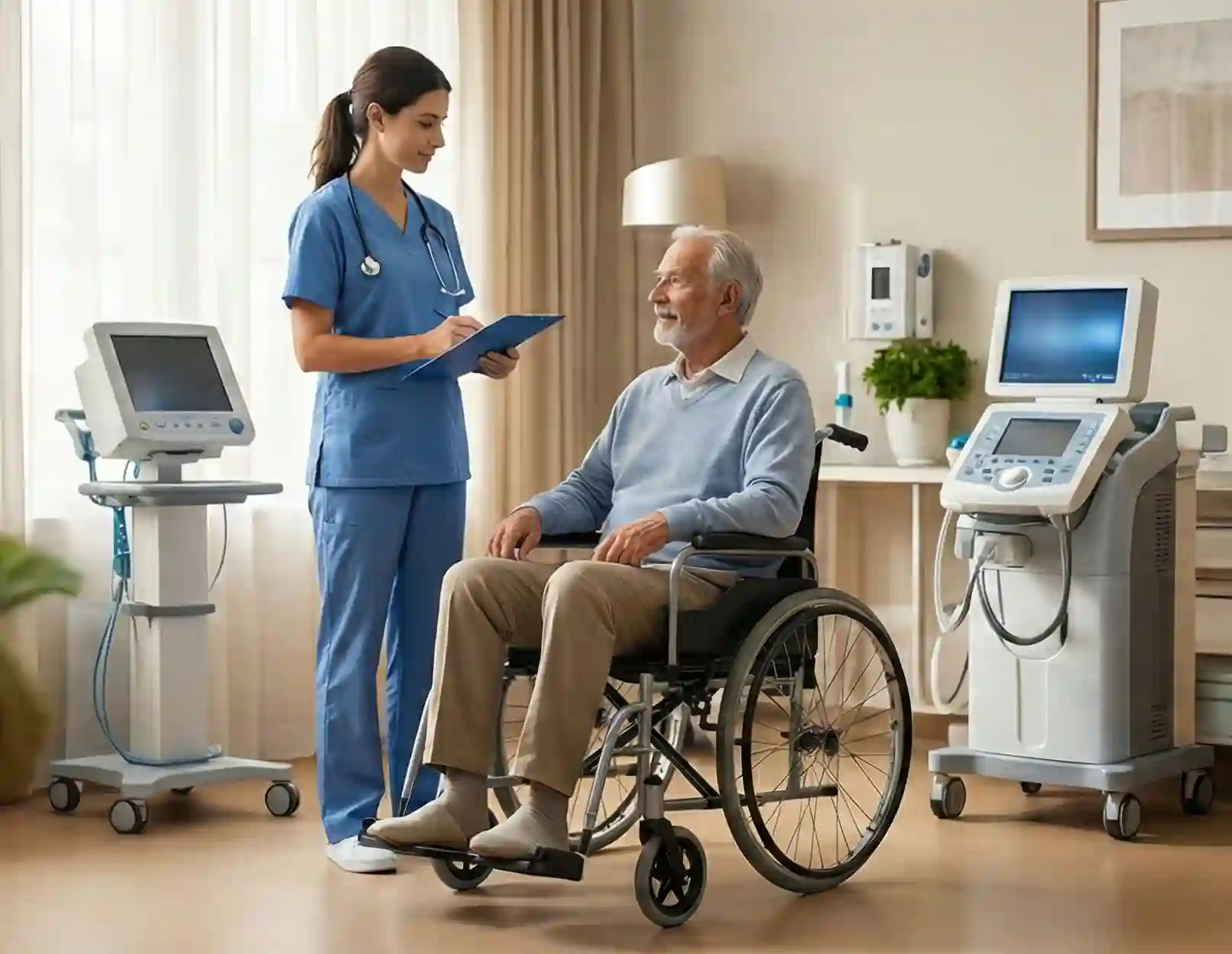
Stemedix can help coordinate patients with necessary wheelchair transportation, medical equipment, and Care Giving services as needed during their stay. Your Care Coordinator is available for questions and assistance.
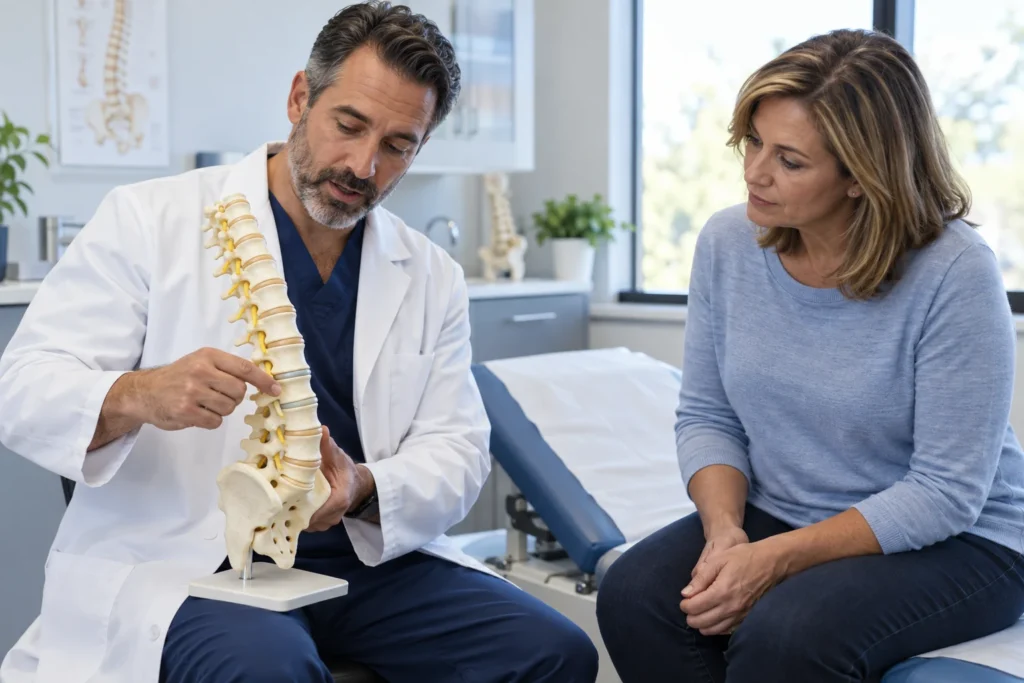
A review of cell therapies, PRP and biomaterials for lumbar disc degeneration, with clinical findings, safety considerations and research limitations.

Could PRP Help With More Than Back Pain? Lower back pain can make even simple activities, like sitting at a desk, bending down, or enjoying a walk, uncomfortable. For some people, the problem begins with the spinal discs, which act as cushions between the bones of the spine. When these discs begin to wear down,…
Learn about Things to Avoid with Degenerative Disc Disease, common considerations, established care, and questions to discuss with a licensed healthcare professional.
Contact us today and let Stemedix provide professional service accompanied by one of our Care Coordinators to ensure you have the best experience possible!